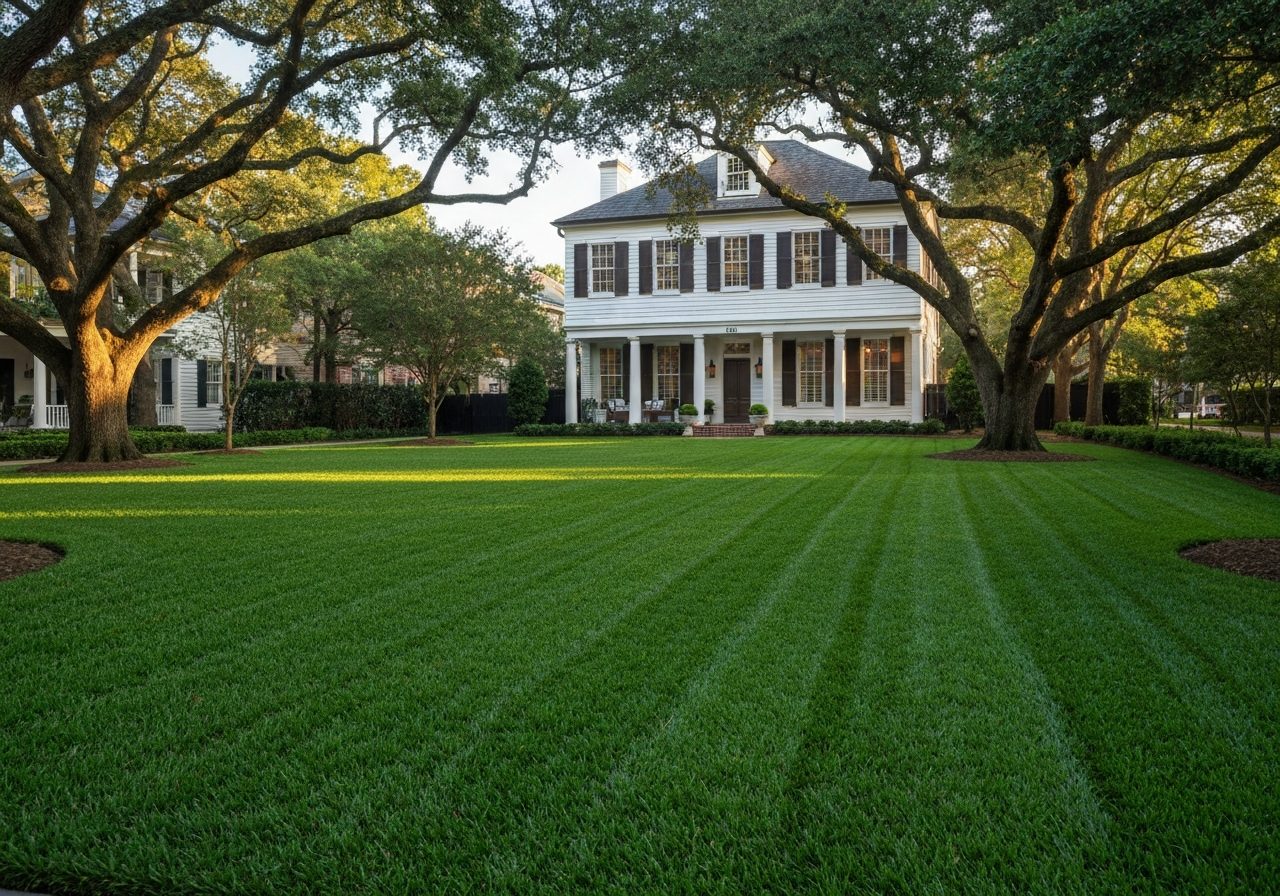
Quick answer: St. Augustine is the most common lawn grass in New Orleans and performs well across a wide range of Southeast Louisiana conditions, including heavy shade, clay soil, and high annual rainfall averaging around 62 inches. Zoysia is a strong alternative for full-sun lawns where you want less frequent mowing and better wear resistance, but it carries a higher risk of large patch disease during New Orleans’ wet seasons and goes fully dormant in winter. Big Easy Sod installs both varieties across the New Orleans metro. The right choice depends on your sun exposure, how much foot traffic your lawn takes, and what maintenance schedule works for your household.
Last updated: May 2025
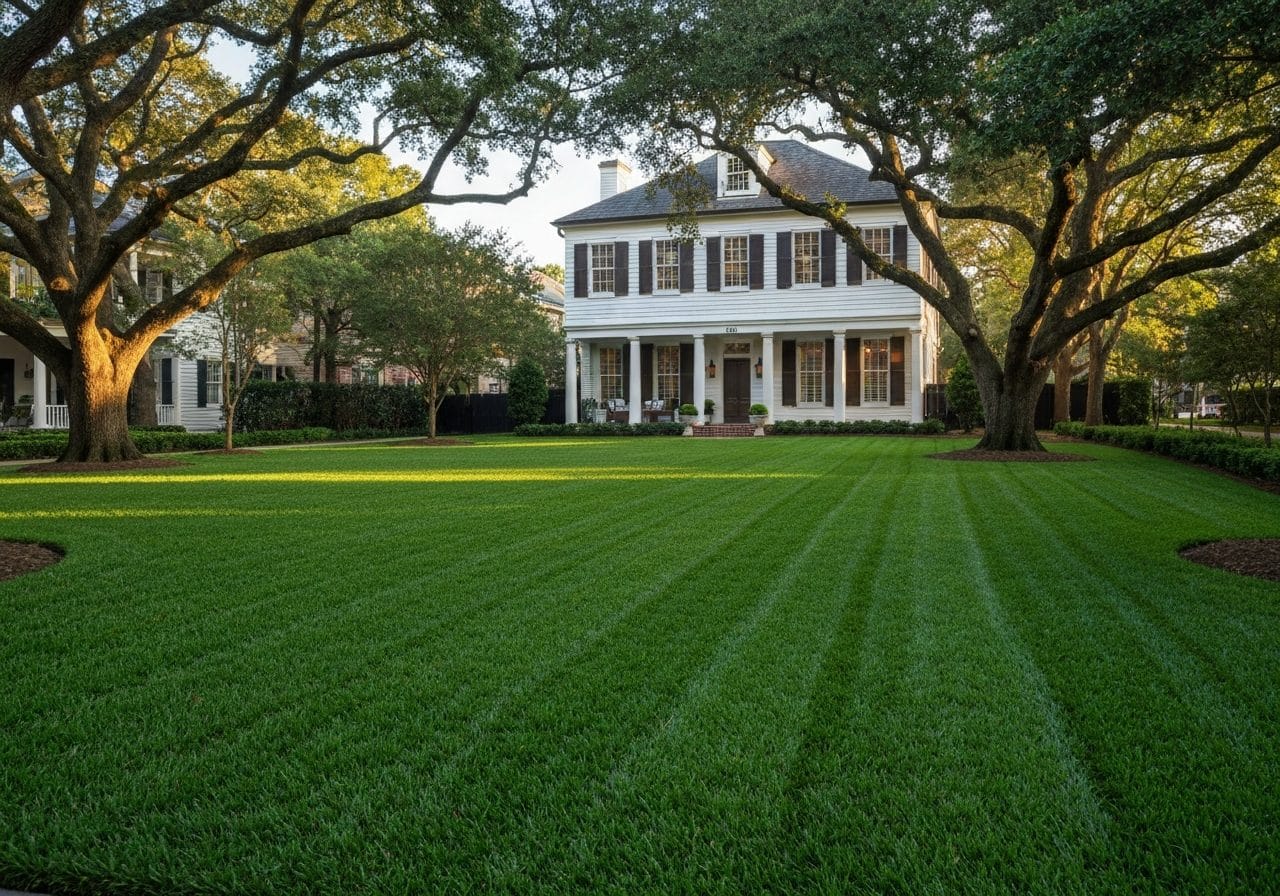
Walk through almost any New Orleans neighborhood and St. Augustine is what you will see. It lines the neutral grounds, fills the side yards, and comes back every spring after sitting through another soggy winter. But zoysia has gained real traction in the area over the past decade, and for good reason. It needs less mowing, handles foot traffic better, and uses less water once it gets established.
Neither grass is universally better. What matters is your specific yard.
This guide breaks down how each grass actually performs in Southeast Louisiana conditions, where one beats the other, and where the choice is a true toss-up.
How New Orleans’ Climate Shapes Your Grass Choice
New Orleans sits in USDA Hardiness Zone 9a/9b with long, hot, humid summers and mild winters. Annual rainfall averages around 62 inches, most of it concentrated in summer. That detail matters more than most homeowners realize.
St. Augustine was built for this. It tolerates the heat, handles poorly drained clay soil better than most warm-season grasses, and the constant summer moisture does not stress it the way it does other species. It also stays partially green longer into fall compared to zoysia, which goes fully dormant once temperatures drop.
Zoysia does fine in Zone 9, but its dense thatch layer becomes a liability in New Orleans’ very wet summers. Trapped moisture under the thatch creates the conditions that large patch disease needs to spread. In drier climates, that same thatch is an asset. In New Orleans, it requires active management.
Bottom line: For most Southeast Louisiana yards, St. Augustine is the default for good reason. Zoysia earns its place in full-sun lawns with good drainage where you are willing to manage the disease risk.
Shade Tolerance: The Live Oak Factor
If your yard has mature live oaks, shade tolerance is probably your most important variable.
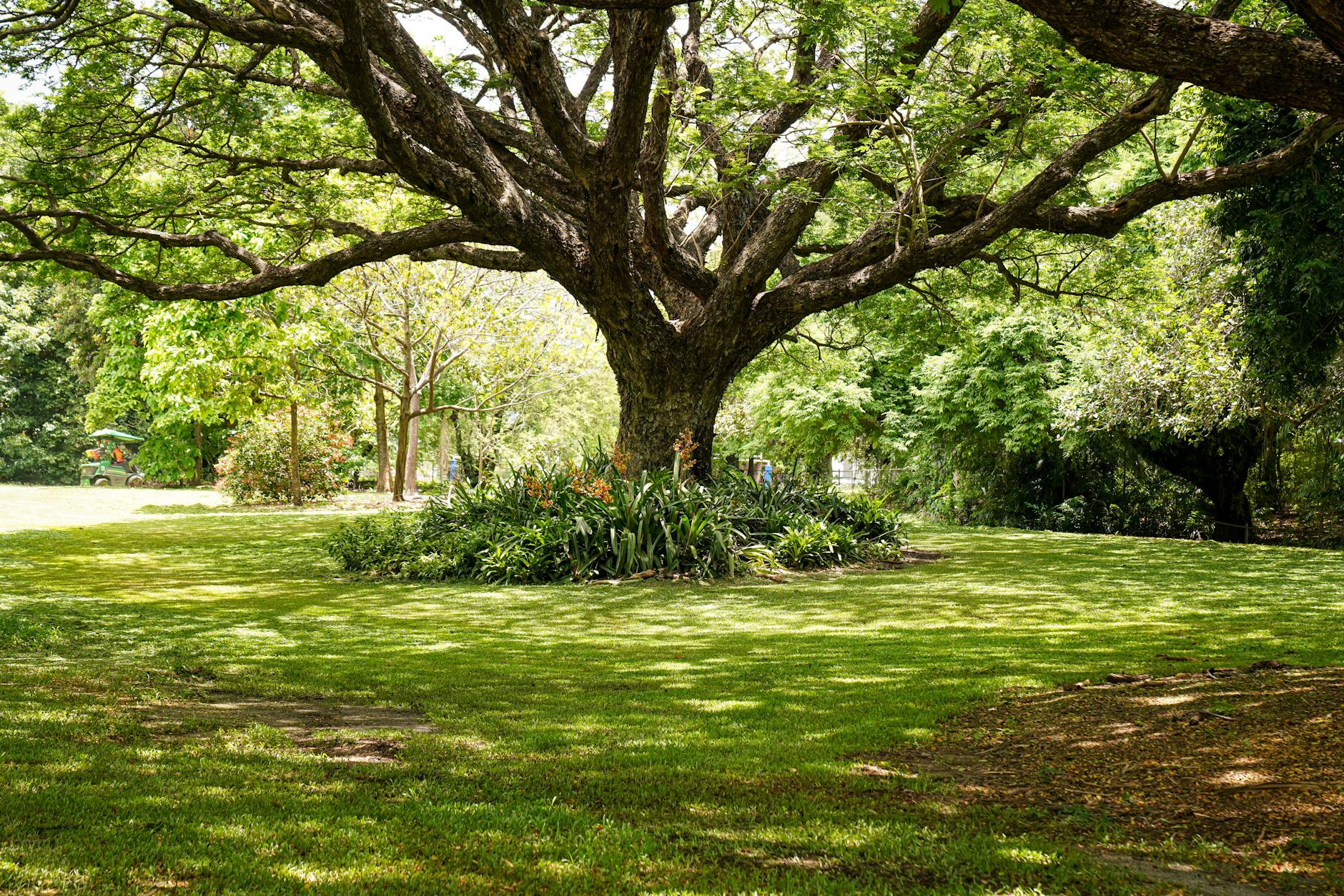
St. Augustine is the most shade-tolerant warm-season grass available for New Orleans. Shade-tolerant varieties like Palmetto and Seville can manage with as little as three to four hours of direct sunlight per day. This matters enormously in older New Orleans neighborhoods where the tree canopy is dense.
One important caveat: Floratam, the most widely sold St. Augustine variety in Louisiana, requires at least six hours of direct sun and is not a shade grass. If you are buying sod without specifying the variety, you may end up with Floratam in a yard that cannot support it.
Zoysia has fair to moderate shade tolerance depending on the variety. Zeon and Palisades handle partial shade reasonably well, but most zoysia varieties need six or more hours of direct sunlight to stay dense and healthy. In a shaded New Orleans yard, zoysia thins out, becomes patchy, and loses its primary advantages.
If your yard has significant shade: St. Augustine wins clearly, provided you select the right variety.
Maintenance: Mowing, Watering, and Fertilizing
This is where zoysia’s case gets strongest.
Mowing
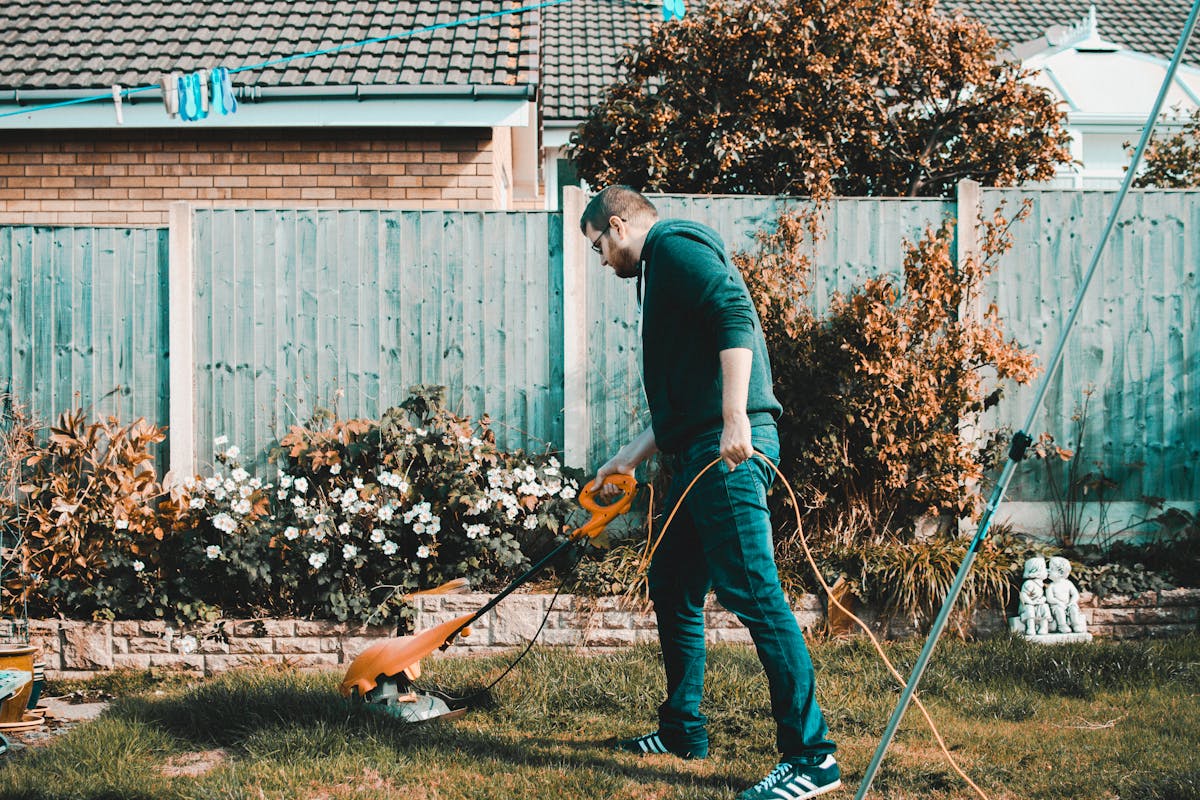
St. Augustine should be mowed at 3.5 to 4 inches and typically needs cutting every week during summer growing season. Mowing it lower stresses the grass and opens it to disease. Zoysia is mowed at 1 to 2.5 inches depending on the variety and grows slowly enough that every 10 to 14 days is usually sufficient at peak growth. Over a full season, that is a meaningful difference in time and fuel.
Watering
St. Augustine needs about three-quarters to one inch of water per week when rainfall is not providing it. Zoysia is slightly more efficient at about one-half to three-quarters of an inch per week once established. Its deeper root system also helps it handle short dry spells without visible stress. In New Orleans, where summer rainfall usually covers most irrigation needs, this advantage is modest. During August dry spells, you will notice zoysia holding up better.
Fertilizing
St. Augustine typically needs two to four pounds of nitrogen per 1,000 square feet per year in Louisiana. Zoysia runs a bit lighter at around two to three pounds per 1,000 square feet. Both follow a spring through early fall schedule. The LSU AgCenter Home Lawn Care Guide is the authoritative source for Louisiana-specific fertilization timing.
If lower maintenance is your priority: Zoysia wins on mowing time. The two grasses are comparable on most other inputs.
Pests and Disease in Southeast Louisiana
Both grasses have specific vulnerabilities in this climate. Knowing them before you install saves a lot of headache later.
St. Augustine and Chinch Bugs
Southern chinch bugs are the primary pest threat for St. Augustine in Louisiana. They thrive in hot, dry conditions and are most destructive during July and August. Floratam was originally bred with chinch bug resistance, but that resistance has broken down in many Gulf Coast populations over the decades. Monitoring for early damage, yellowing patches that appear in sunny areas first, matters more than assuming Floratam will handle it on its own.
Brown patch and gray leaf spot are the main disease concerns for St. Augustine, both triggered by warm, wet conditions that New Orleans provides reliably in spring and fall. These are manageable with proper mowing height and avoiding late-day irrigation.
Zoysia and Large Patch
Large patch, caused by the same Rhizoctonia fungus responsible for brown patch in St. Augustine, is the disease to watch in zoysia across the Gulf South. It creates expanding circular dead patches, most visible in fall and spring. New Orleans’ climate is highly conducive to it, particularly in lawns with poor drainage or heavy thatch accumulation. Annual large patch prevention should be part of the maintenance calendar for any zoysia lawn in the area.
Cost: What to Expect for New Orleans Sod Installation
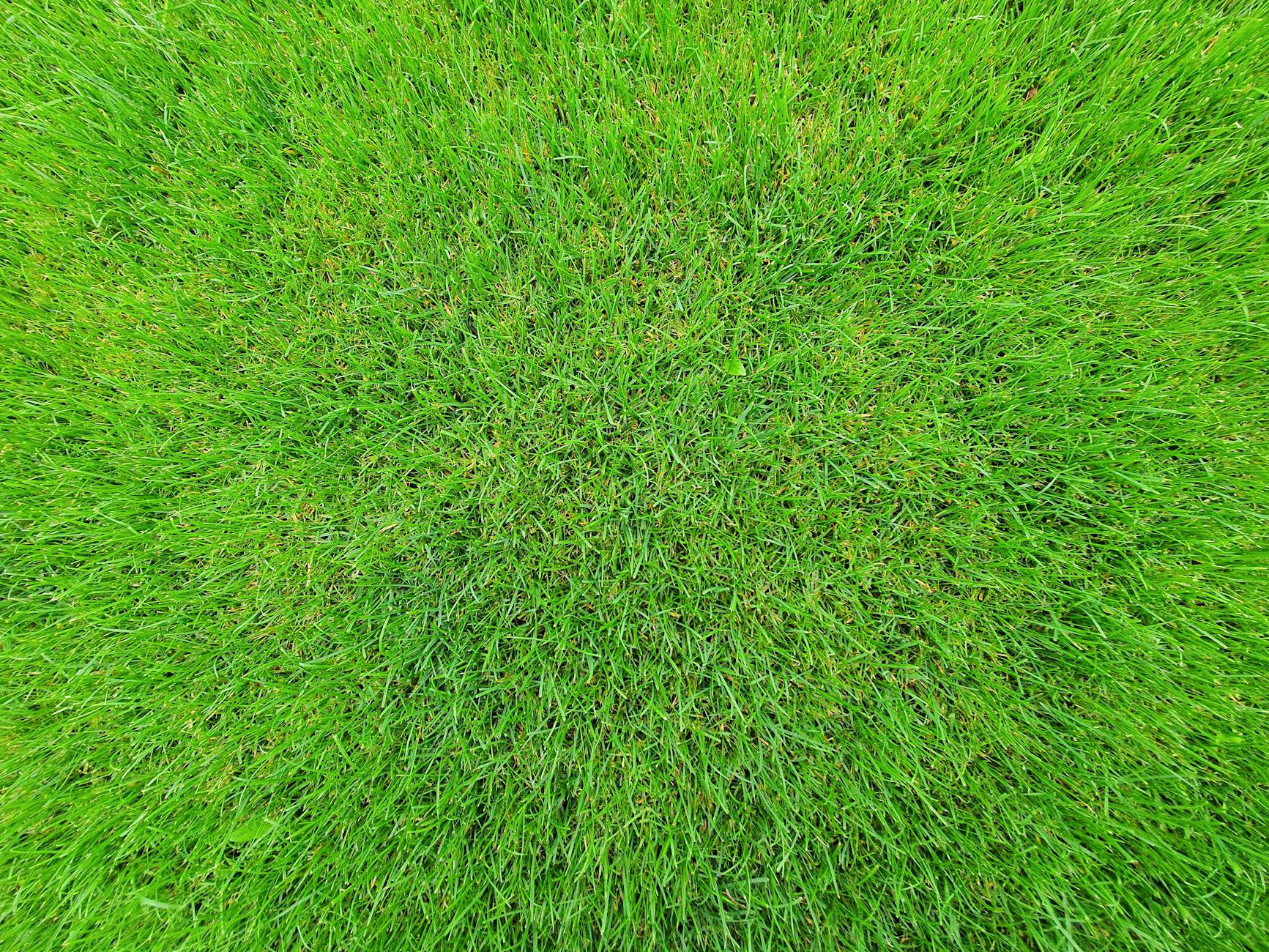
St. Augustine sod is generally less expensive in Louisiana because it is grown locally at farms throughout the region. Zoysia, particularly premium varieties like Zeon or Palisades, typically costs more per pallet. Installation labor is comparable for both.
Sod prices shift with season, demand, and availability from regional farms. Contact Big Easy Sod directly for current pricing in the New Orleans area.
Installation costs for both grasses include site prep, soil amendment, old grass removal, and the installation itself. The sod material is one line in the total project cost. Getting an accurate quote requires a site visit because square footage alone does not account for drainage work, grade correction, or access constraints that affect labor time.
Which Grass Handles Foot Traffic Better?
Zoysia is the clear winner here. Its dense, wiry growth and thick rhizome network make it more wear-resistant than St. Augustine under consistent foot traffic. It holds up better in areas where kids and pets create repeated wear patterns.
The trade-off is recovery time. Zoysia spreads laterally more slowly than St. Augustine, so damage repairs itself more slowly after hard use.
St. Augustine has moderate traffic tolerance. It handles normal residential use without trouble but compresses and thins under sustained heavy traffic.
The Bottom Line for New Orleans Homeowners
For a shaded yard, a yard near Lake Pontchartrain with occasional salt exposure, or one with the heavy clay and poor drainage common to Orleans Parish, St. Augustine is the lower-risk choice. Its long track record in Southeast Louisiana is not coincidence.
For a full-sun yard with good drainage, where you want fewer mowing sessions and are comfortable adding large patch prevention to your annual routine, zoysia is worth the conversation.
If you are not sure which fits your yard, Big Easy Sod can walk you through the decision based on your actual lot conditions. A grass that performs well for your neighbor might be the wrong choice depending on your sun exposure, drainage, and how you use the space.
Frequently Asked Questions
Can I mix zoysia and St. Augustine in the same yard?
It is not recommended. The two grasses have different mowing heights, fertilizer needs, and water requirements. They also compete with each other as stolons spread, and the result tends to be a patchy, inconsistent lawn over time. Pick one grass for the lawn area and stick with it.
Does zoysia go dormant in New Orleans?
Yes. Zoysia goes fully brown in winter. In New Orleans’ mild climate, dormancy typically begins in late November or December and breaks in March or April. St. Augustine often stays partially green through mild New Orleans winters, which some homeowners prefer for curb appeal.
Which grass handles salt better near Lake Pontchartrain?
Both grasses tolerate salt reasonably well. St. Augustine is generally rated with better salt tolerance and has a longer track record in coastal Southeast Louisiana. If your yard is close to the lake or in an area with storm surge history, St. Augustine is the safer choice.
How long does it take for new sod to establish?
St. Augustine typically roots and knits within two to three weeks under good conditions in New Orleans’ warm climate. Zoysia establishes more slowly due to its slower lateral growth. Both need consistent watering for the first three to four weeks after installation. Avoid mowing new sod until it resists a gentle tug, which confirms root development.
What variety of St. Augustine should I ask for?
Floratam is the most common and least expensive but requires full sun. If your yard has any significant shade, ask specifically for Palmetto or Seville. Specifying the variety when ordering prevents getting Floratam installed in a yard where it will struggle.