
Is St. Augustine Grass Right for Your New Orleans Lawn?
Heat-tolerant, shade-friendly, and proven in Louisiana clay. The dominant lawn grass across the New Orleans metro for good reason.
4.9 on Google
Licensed & Insured
One-Day Installs
High
Heat Tolerance
High
Shade Tolerance
Medium
Maintenance Level
2 Wks
Foot Traffic Ready
About This Grass
Why St. Augustine Works in New Orleans Yards
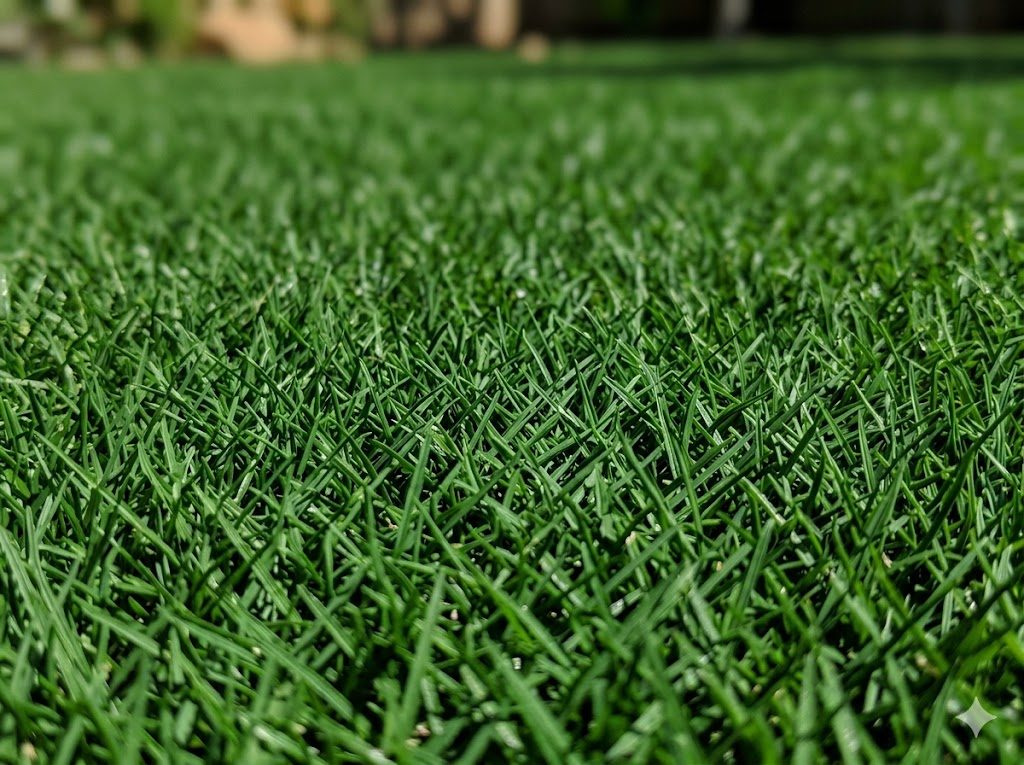
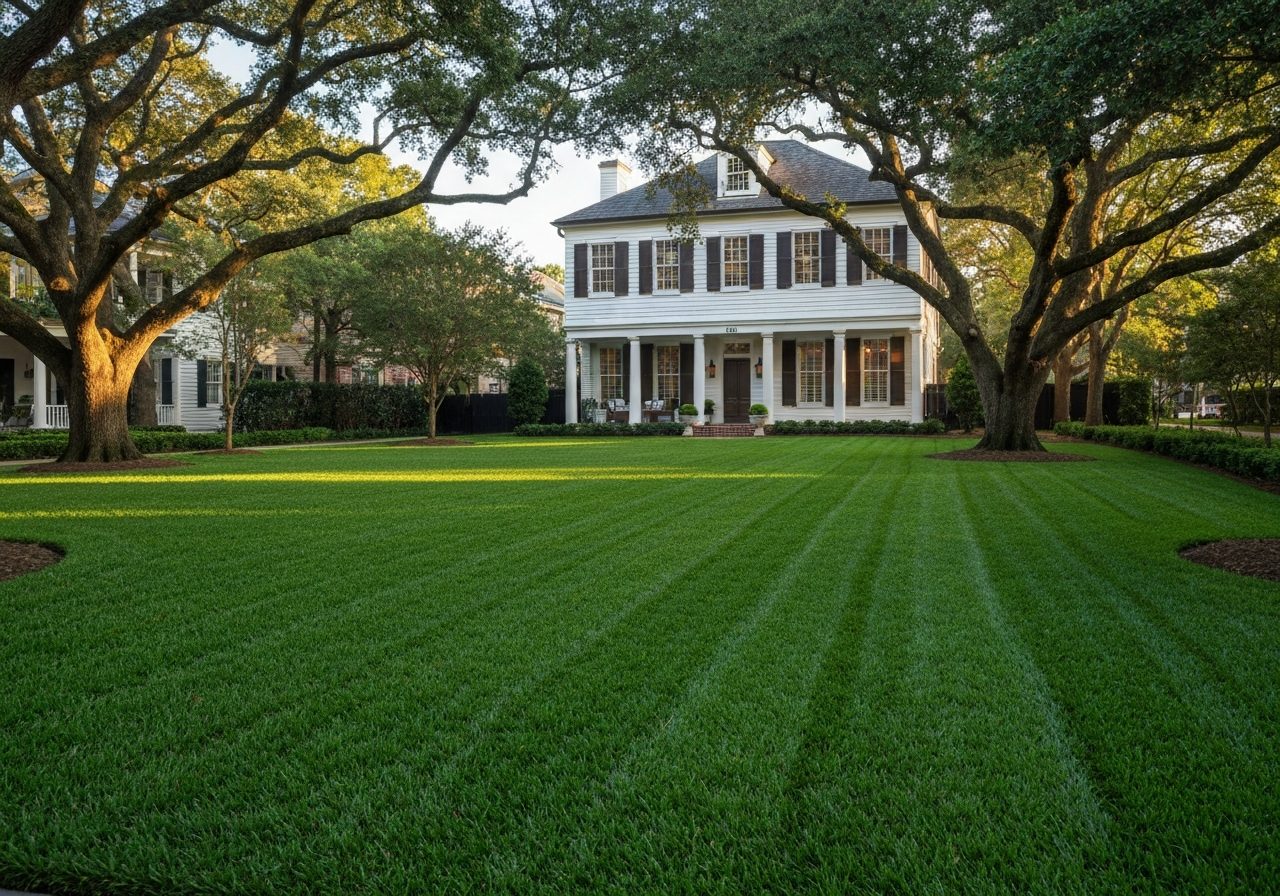
The LSU AgCenter names St. Augustine the most shade-tolerant warm-season turfgrass available, and in New Orleans, that single attribute explains most of what you see on lawns across the metro. A city that gets 64 inches of rain per year, where mature live oak canopy shades most older neighborhoods, does not reward heat tolerance or fast establishment the way it rewards a grass that can perform in partial light. That is why St. Augustine accounts for the majority of sod installations the team at Big Easy Sod completes across the New Orleans area.
In the ground, St. Augustine roots well through NOLA clay and handles summer heat without the irrigation demand that lighter soils require. It spreads by stolons, so thin spots fill in over time without reseeding. The two performance threats specific to this market are southern chinch bugs in summer and large patch fungus in fall and early spring. Both are manageable with the right mowing height and fertilization schedule. Mowing at 3 to 4 inches consistently is the single most effective cultural practice for keeping both in check.
Two situations shift the recommendation away from St. Augustine. Yards under a dense live oak canopy with less than three hours of direct sun per day do better with Palmetto, a St. Augustine cultivar bred for low-light performance. Yards that handle regular heavy traffic from kids, pets, or equipment hold up better with Bermuda. Outside those two scenarios, St. Augustine is the correct starting point for most New Orleans lawns.
Get a Free Assessment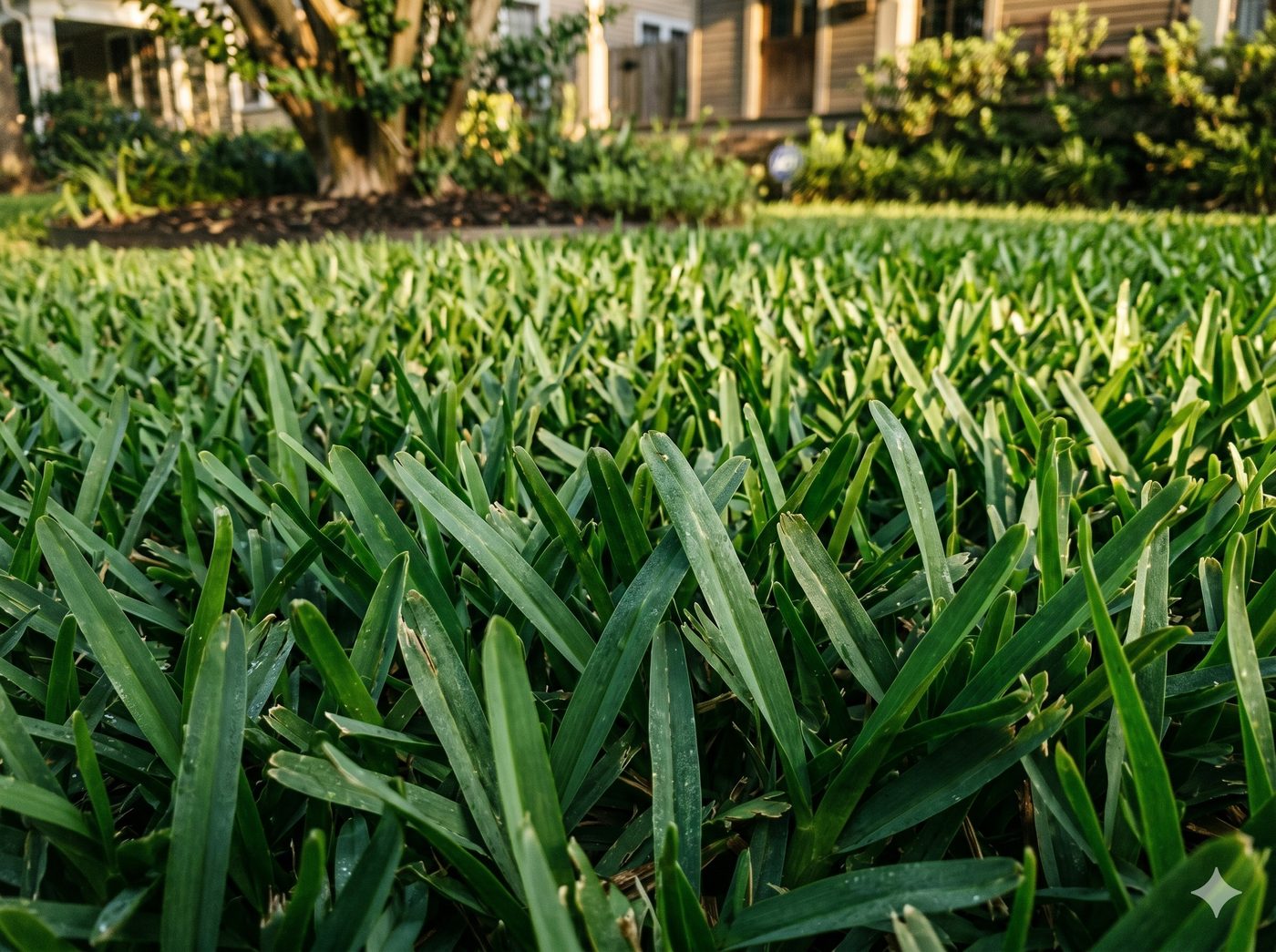
St. Augustine Varieties
What We Offer
Floratam
The most widely installed variety in Louisiana. Coarse blade, aggressive growth, strong heat tolerance. Best for full to partial sun yards.
Palmetto
Semi-dwarf cultivar with a finer blade and exceptional shade tolerance. Our recommendation for yards with significant oak canopy cover.
Raleigh
Better cold hardiness than Floratam. A smart choice for Northshore properties where winter temps dip lower than the metro.
Bitter Blue
Blue-green color, dense growth, strong shade performance. Common in older New Orleans neighborhoods with established tree cover.
The Process
The Big Easy Standard
No mystery. No runaround. Here's exactly what happens when you call Big Easy Sod.
Free Consultation
Tell us about your yard. Or we'll come out and look at it ourselves. We assess your soil, drainage, sun exposure, and give you an honest quote. No pressure, no mystery pricing.
We Prep and Install
Our crew handles everything: removing old turf, grading the soil, laying the sod correctly the first time. Most residential installs are done in a single day.
Enjoy Your Lawn
We walk you through care instructions, answer your questions, and leave the yard clean. Then we get out of your way and let the grass do its thing.
WHY NEW ORLEANS HOMEOWNERS CHOOSE BIG EASY SOD
- Local serving Greater New Orleans and surrounding areas
- Free estimates with no obligation; we respond same day
- Wide grass variety selection including St. Augustine, Zoysia, Bermuda, Centipede, and Palmetto, matched to your soil
- Trusted for years by Louisiana homeowners, with a licensed, insured, and background-checked crew
- Easy to talk to with real people answering the phone, no runaround, no voicemail loops
- Fast turnaround with most residential installs completed in a single day, yard left clean
- Satisfaction guaranteed and we are not done until your lawn looks exactly as promised
Reviews
Don't Take Our Word for It
Real results from New Orleans homeowners and property managers.
Other Grass Types
Other Ways We Can Help
FAQ
St. Augustine Sod: Common Questions
Yes. The LSU AgCenter identifies St. Augustine as the most shade-tolerant warm-season turfgrass, making it the right fit for New Orleans yards with live oak canopy and Louisiana clay soil. It handles the humidity, the heat, and the inconsistent drainage common across the metro better than any other warm-season grass.
Most St. Augustine sod roots within 14 days under proper care. Water daily for the first two weeks, twice daily in peak summer heat. You can test rooting by gently tugging a section. If it lifts easily, roots have not fully anchored yet. Most residential lawns can handle light foot traffic after two weeks and full traffic in four to six.
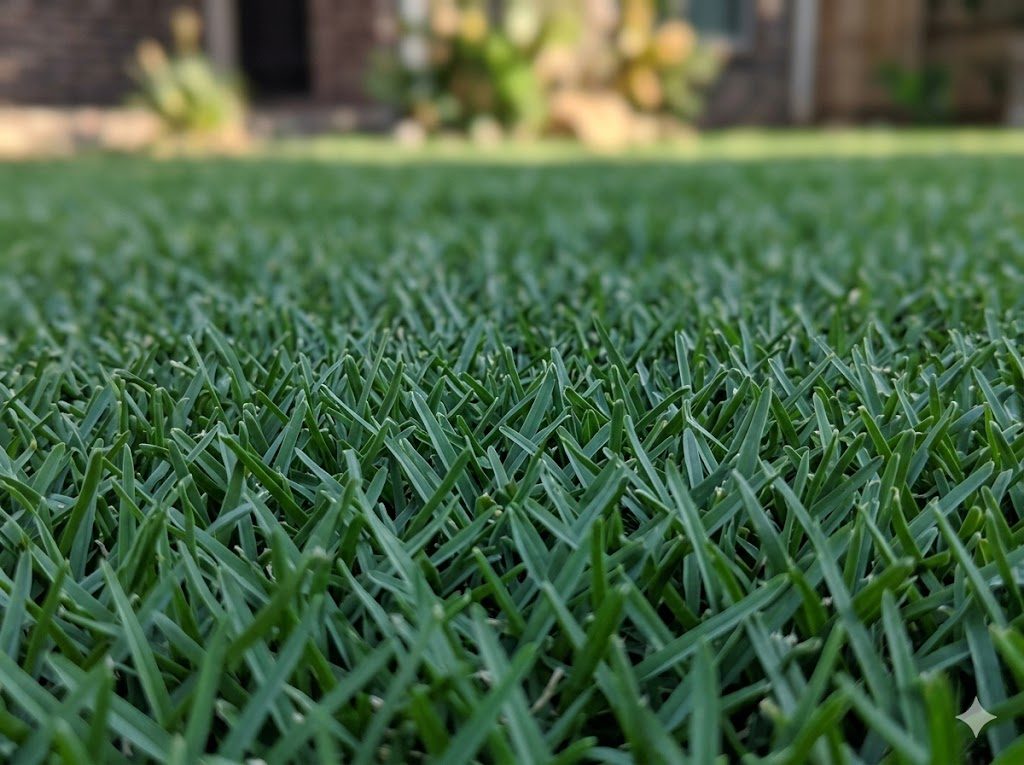
Floratam is the most widely installed variety across Louisiana due to its heat tolerance and aggressive growth. For yards with significant shade from mature oaks, Palmetto is the better choice, offering more shade tolerance with a finer blade. For Northshore properties where winter temperatures drop lower than the metro, Raleigh's cold hardiness is worth the switch.
St. Augustine has moderate flood tolerance and can handle short periods of standing water. Palmetto, a St. Augustine cultivar, performs above average in low-elevation lots that see occasional flooding. For properties that flood regularly, Big Easy Sod evaluates drainage before recommending any grass type.
Southern chinch bugs are the primary pest concern. They appear in summer, attack the base of grass stems, and create expanding patches of dead and yellowing turf. Mowing at 3 to 4 inches and avoiding over-fertilization are the two strongest preventive measures. Large patch fungus is the main disease threat, appearing in fall and early spring as circular brown patches with yellow edges.
St. Augustine performs best at 3 to 4 inches. During the nine-month NOLA growing season, plan to mow every seven to ten days in peak summer. Never cut more than one-third of the blade height in a single mowing. Cutting below 2.5 inches stresses the grass and increases chinch bug susceptibility.
Get Started
Get Your Free St. Augustine Sod Quote
Tell us about your yard and we will get back to you within 24 hours. Free assessment, honest quote, no runaround.
- Free, no-pressure assessment
- Soil and shade conditions evaluated
- NOLA-specific variety recommendation
- Response within 24 hours
(504) 608-3321
Mon to Sat, 7am to 6pm
24-hour response
Straight answers, no pressure
