
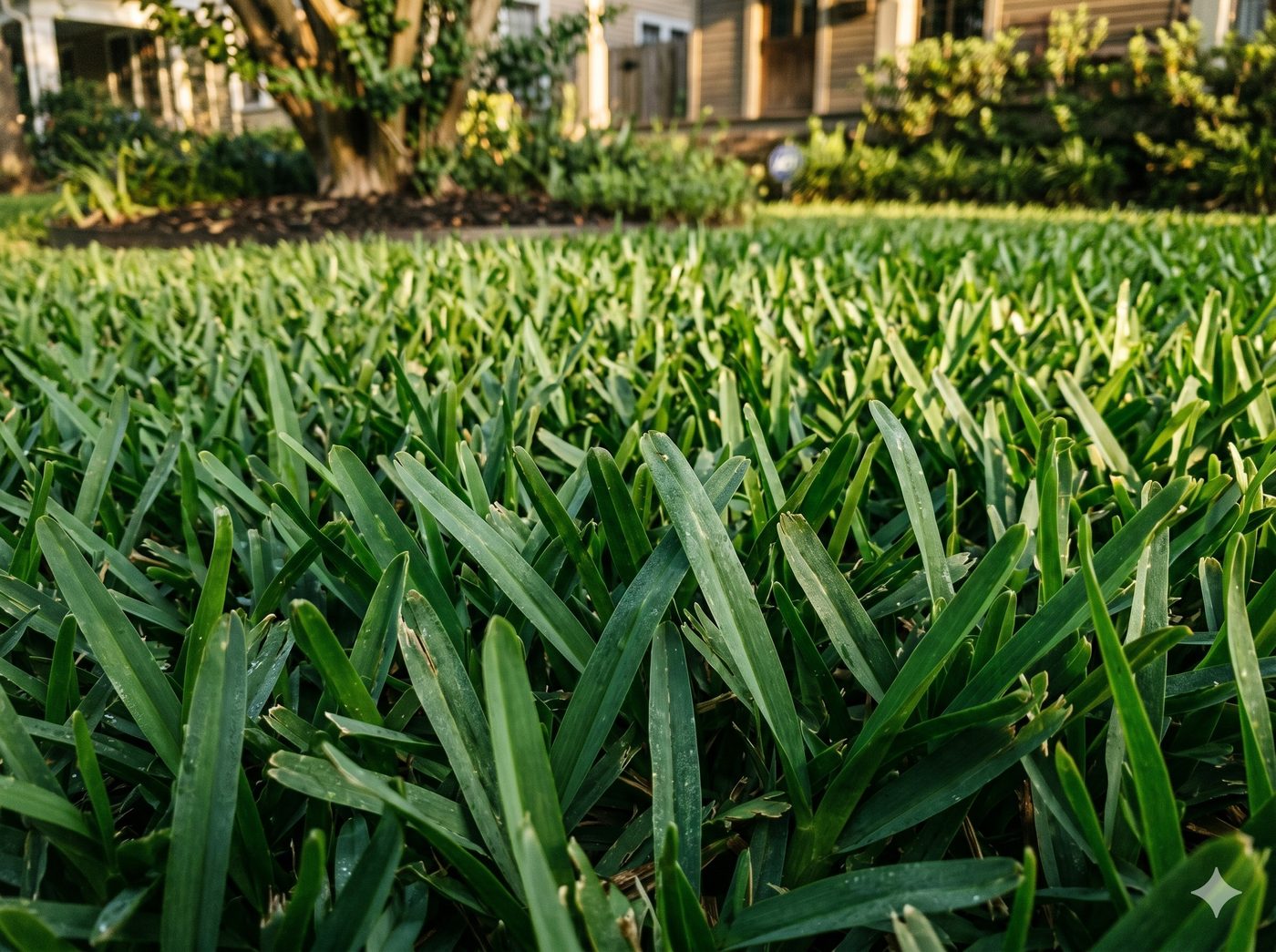
St. Augustine
Best for partial shade and NOLA clay. The most common choice across the metro.
Learn moreThe highest heat tolerance of any grass we install. Best for full-sun yards, high-traffic areas, and homeowners who want fast establishment.
Start with sun. If your yard gets six or more hours of direct sun daily, Bermuda earns a serious look. If it gets less, a different variety is the better fit. That is not a knock on Bermuda. It is how the grass works, and every successful installation Big Easy Sod has completed starts with that honest qualification.
For the yards that qualify, Bermuda delivers things other warm-season grasses cannot match. It establishes faster than St. Augustine or Zoysia, handles traffic load better than both, and recovers from damage at a speed no other variety we install can approach. Commercial properties, athletic fields, and high-use residential yards in the NOLA market default to Bermuda for those exact reasons. A properly installed Bermuda lawn can handle light foot traffic in three weeks and full use in six.
One thing surprises homeowners who are new to Bermuda: it goes dormant in winter. When soil temperatures drop below 55 degrees, the lawn turns brown. In New Orleans, that window runs roughly from late November through February, though mild winters shorten it. The grass comes back fast in spring. If winter color matters, overseeding with annual ryegrass is an option, though it adds one maintenance event per year.
Get a Free Assessment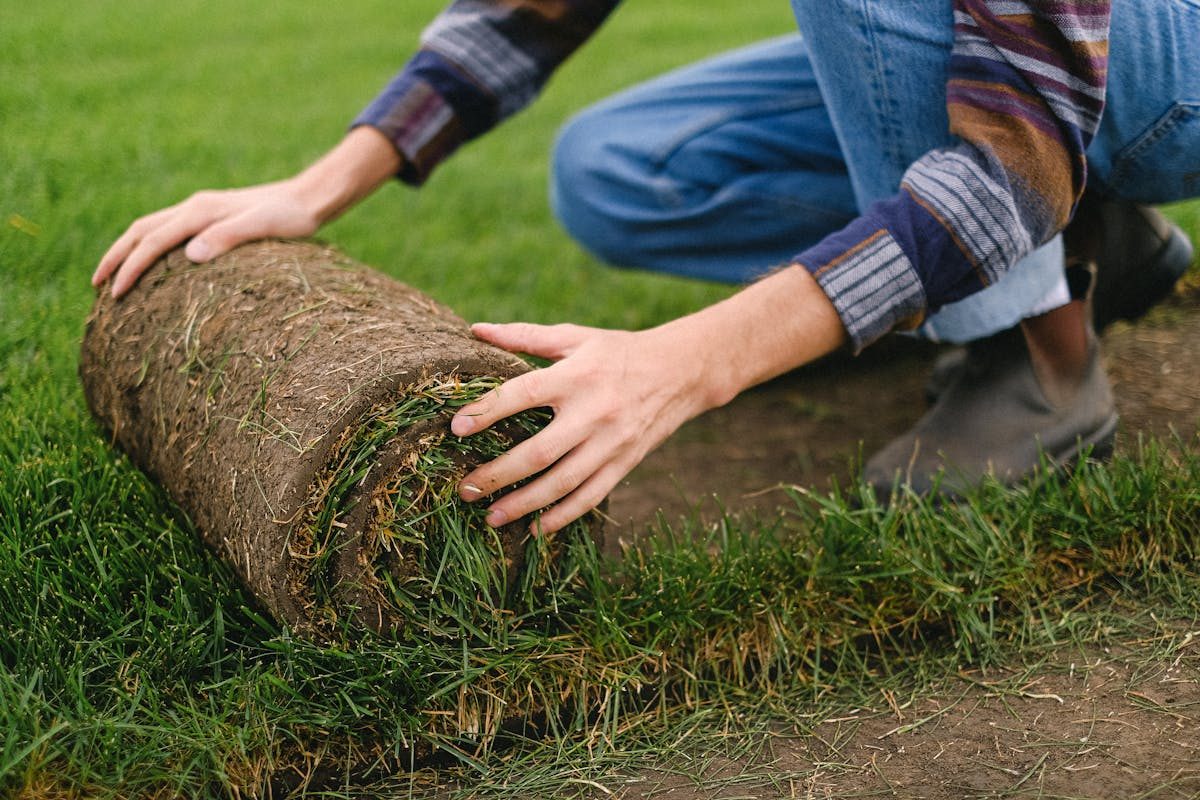
Standard variety. Coarser blade, aggressive spreading, lower cost. Good for large properties where coverage speed matters more than appearance.
Premium fine-bladed variety with superior drought tolerance. 38 percent less water than standard Bermuda. Best appearance of any Bermuda option.
Rich blue-green color, excellent wear tolerance, strong recovery after stress. Popular for commercial properties and heavily trafficked areas.
Finer blade than common Bermuda, sterile (no seed heads), denser growth habit. Better appearance for residential lawns that see moderate traffic.
No mystery. No runaround. Here's exactly what happens when you call Big Easy Sod.
Tell us about your yard. Or we'll come out and look at it ourselves. We assess your soil, drainage, sun exposure, and give you an honest quote. No pressure, no mystery pricing.
Our crew handles everything: removing old turf, grading the soil, laying the sod correctly the first time. Most residential installs are done in a single day.
We walk you through care instructions, answer your questions, and leave the yard clean. Then we get out of your way and let the grass do its thing.
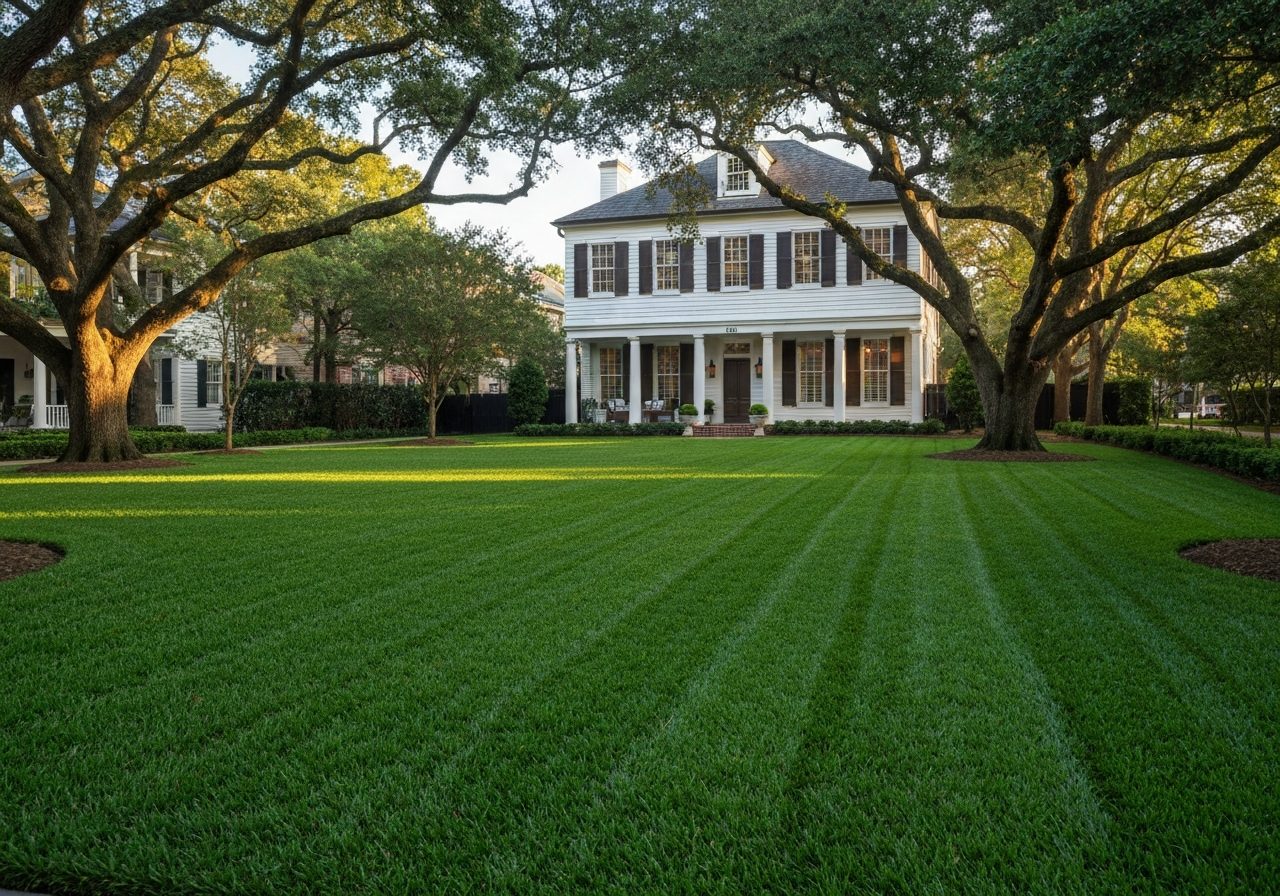
Real results from New Orleans homeowners and property managers.
Best for partial shade and NOLA clay. The most common choice across the metro.
Learn more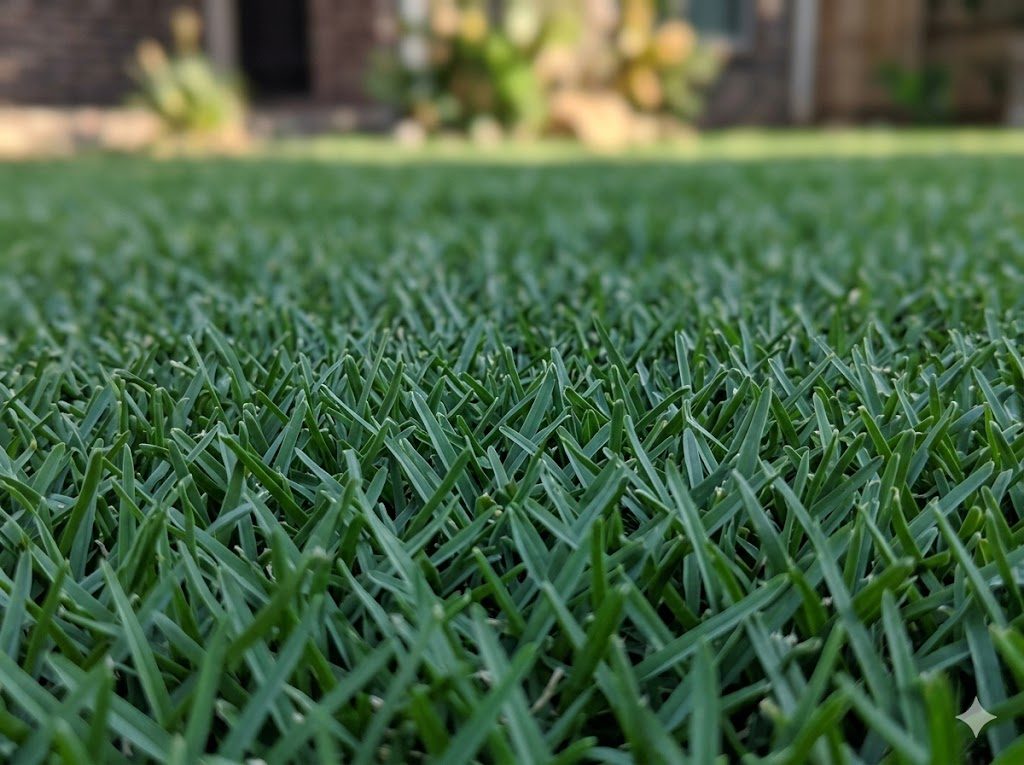
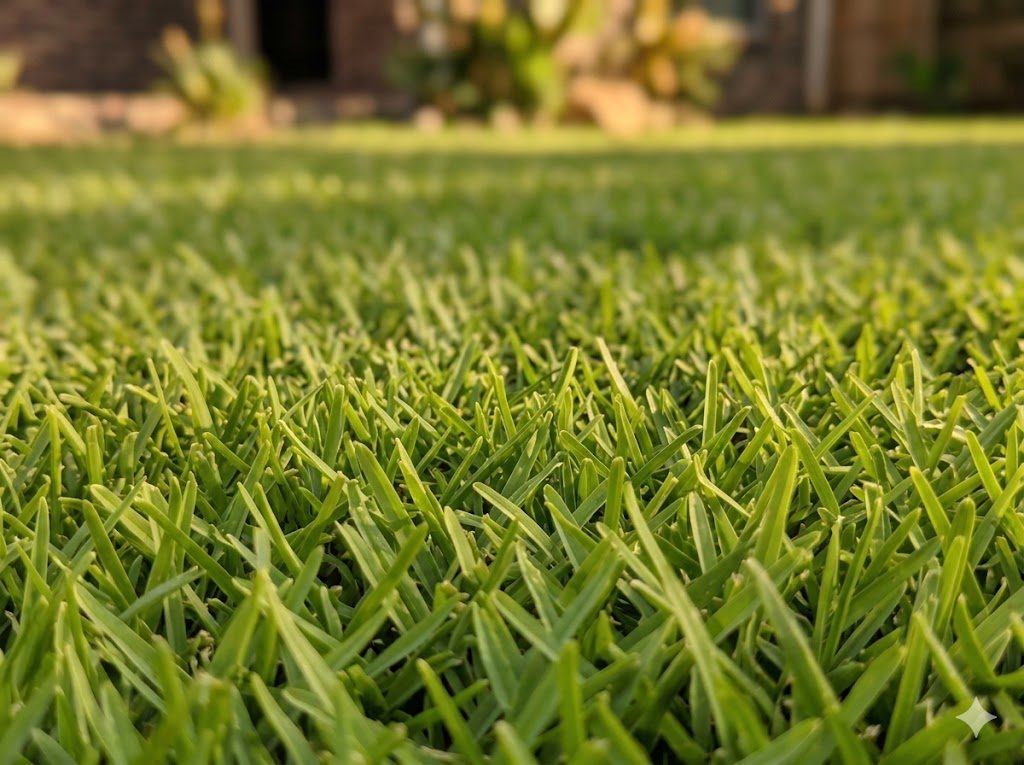
Bermuda is an excellent choice for New Orleans yards with full sun exposure. It handles NOLA heat and humidity better than almost any other warm-season grass and recovers from summer stress faster than St. Augustine or Zoysia. The hard requirement is sun. Yards with live oak canopy or less than six hours of direct sun daily are not good candidates for Bermuda.
Bermuda is the fastest-establishing sod we install. Most lawns can handle light foot traffic within three weeks and full use within six weeks. In NOLA summer heat, consistent daily watering for the first three weeks is the single biggest factor in how fast roots anchor. Skipping watering days during establishment significantly slows the process.
TifTuf is our top recommendation for most residential yards. It uses roughly 38 percent less water than common Bermuda after establishment, which matters during NOLA dry stretches, and it has a finer blade that looks better in a residential setting. For high-traffic commercial properties or large yards where cost matters more than appearance, Common Bermuda is the practical choice. Celebration is a strong option for yards that see heavy wear.
Yes. Bermuda goes dormant when soil temperatures drop below 55 degrees and turns brown. In New Orleans, that typically means a dormancy window from late November through February, though mild winters can shorten that significantly. The grass greens back up quickly in spring. If winter color matters to you, overseeding with annual ryegrass is an option, though it adds maintenance.
During the active growing season, which runs March through October in New Orleans, Bermuda typically needs mowing every five to seven days at 1.5 to 2 inches. It is the most frequently mowed grass we install. Letting Bermuda get above 3 inches weakens the stand and encourages thatch buildup. Mowing frequency drops off naturally as temperatures cool in fall.
Shade is the primary failure point. Bermuda placed under tree canopy will thin and die within one to two seasons. The second issue is winter dormancy. Some homeowners are surprised that their lawn turns brown in winter, which is normal for Bermuda in the Gulf South. Dollar spot fungus can also appear in summer when heat and humidity are highest, but it is manageable with proper mowing height and avoiding evening watering.
Tell us about your yard and we will get back to you within 24 hours. Free assessment, honest quote, no runaround.
