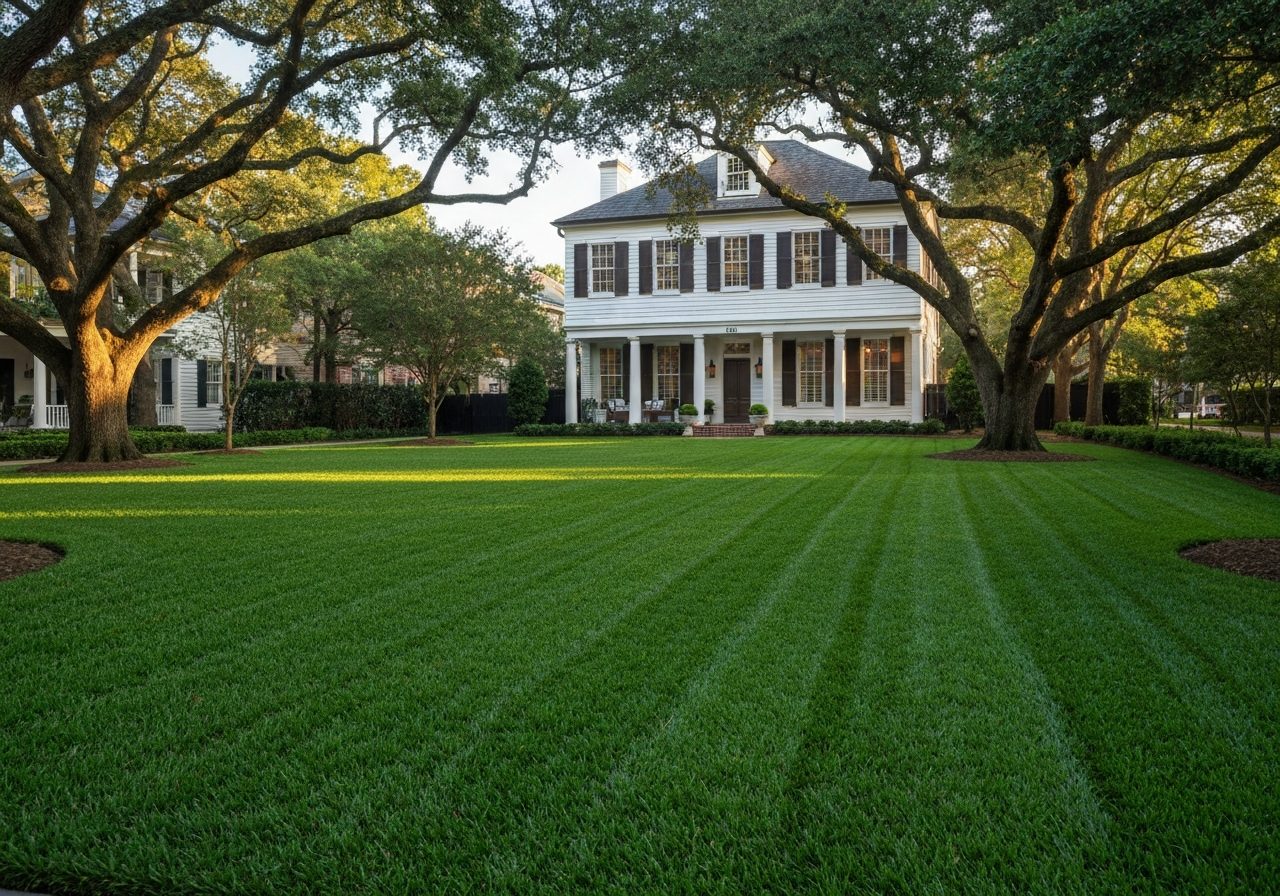
Patchy lawns in New Orleans almost always trace back to one of five causes: shade, fungal disease, poor drainage, soil compaction, or drought stress. Diagnosing the right cause before repairing saves you from replacing sod in the same spots twice. Most warm-season grasses need sod patches rather than seed. Spring and fall are the best repair windows. Summer patching is possible but demands twice-daily watering to succeed.
Last Updated: June 2025
A patchy lawn is one of the most frustrating problems New Orleans homeowners face because the repairs look straightforward but often fail when the underlying cause goes unaddressed. Replacing dead grass without fixing the drainage issue or disease pressure that killed it means the new patches die in the same spots by the following summer. Before any lawn repair and maintenance work begins, the right diagnosis comes first.
Diagnosing Why Your Lawn Has Bare Patches
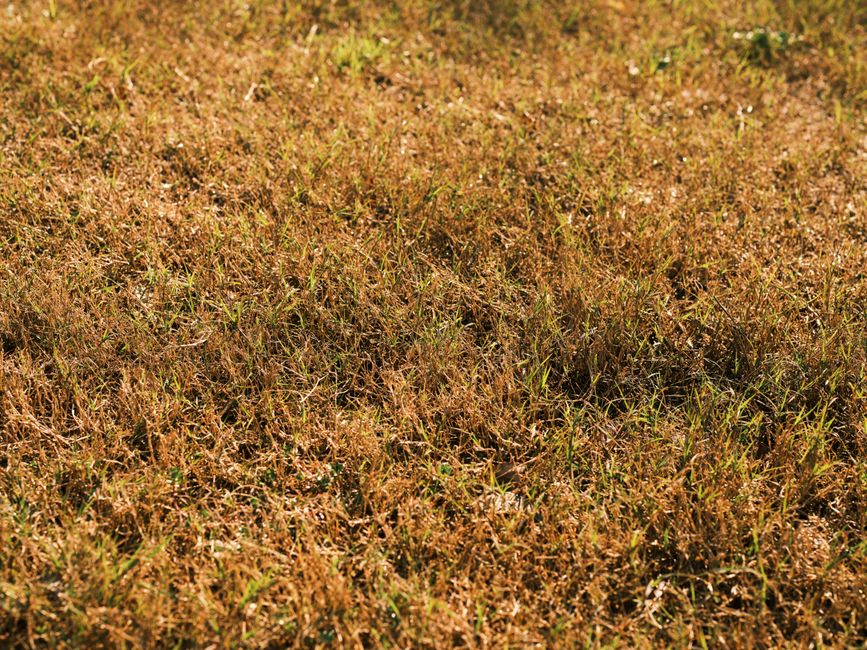
Walk the patchy areas and note the pattern. The shape, location, and edges of bare spots tell you more than the bare spots themselves.
| What You See | Likely Cause | Fix Approach |
|---|---|---|
| Circular brown patches, dark ring at edge | Brown patch fungus | Fungicide first, then patch |
| Bare areas directly under tree canopy | Shade stress | Shade-tolerant variety or groundcover |
| Low spots that stay wet, edges alive | Poor drainage / waterlogging | Grade and drain before patching |
| High-traffic paths, doorways, play areas | Soil compaction | Core aerate, then patch |
| Scattered thin spots after August dry spell | Drought stress | Adjust irrigation, patch in fall |
| Random spots, irregular edges, soft soil | Grubs or armyworms | Treat pests, then patch |
Sod Patches vs. Seed: Which Repair Method Works in New Orleans
The grass type you have determines the repair method. Most New Orleans lawns grow warm-season grasses that do not establish reliably from seed under typical home conditions.
- St. Augustine: Sod patches or plugs only. Does not grow from seed sold in retail stores. Palmetto, Raleigh, and Classic varieties all patch from sod cut to fit the bare area.
- Zoysia: Sod patches or plugs. Seed is available but takes 60 to 90 days to fill in and looks uneven against established turf for months.
- Centipede: Sod patches or seed. Seed works but germination is slow (3 to 4 weeks) and the window is narrow. Soil must stay above 70°F throughout germination.
- Bermuda: Seed, plugs, or sod patches all work. Bermuda is the most repair-friendly grass in the region.
How to Patch with Sod: Step by Step
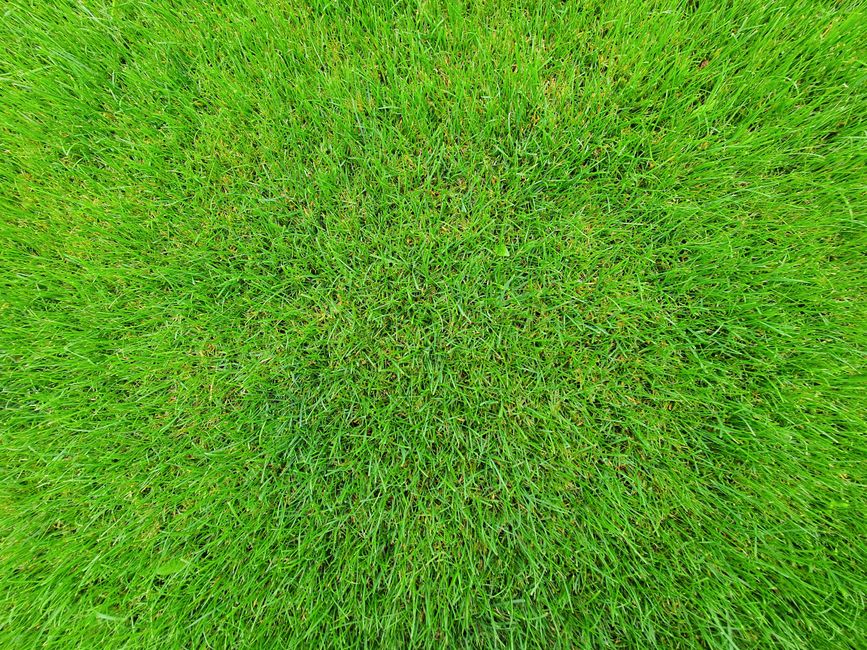
For bare spots larger than a dinner plate, sod patches produce the fastest and most uniform result:
- Remove all dead material from the patch area down to bare soil. A flat spade or hand cultivator works well for small areas.
- If disease or pests caused the bare spot, treat and wait two to three weeks before installing the patch.
- Loosen the top 2 inches of soil and add a thin layer of compost if the existing soil is heavily compacted clay.
- Cut a sod piece to fit the bare area snugly. Press it flush with the surrounding lawn surface. Raised patches dry out from the edges; sunken patches collect water.
- Water the patch immediately and keep it consistently moist for two to three weeks until it roots. Check by pressing a corner: resistance means it has rooted.
Fixing Patches Caused by Brown Patch Disease
Brown patch (Rhizoctonia) is the most common cause of circular dead patches in New Orleans summer lawns. The circular pattern with a smoky, dark border ring is diagnostic. Patching without treating the disease first is a waste of sod. The fungus remains in the soil and kills the new grass.
The repair sequence: apply a labeled fungicide, wait two to three weeks, confirm the ring has stopped spreading, then cut out the dead area and patch. Adjust your watering schedule so irrigation finishes by 10 AM and grass stays dry overnight. The full identification and treatment guide at common lawn diseases in New Orleans covers brown patch, large patch, and gray leaf spot in detail.
Fixing Bare Spots Under Trees
If the bare patches are directly under a tree canopy and return every summer despite repairs, the cause is almost certainly shade rather than disease or drainage. Most warm-season grasses need at least 4 to 6 hours of direct sunlight. Live oaks, magnolias, and mature crepe myrtles frequently create full-shade zones at ground level.
Three realistic options:
- Switch to Palmetto St. Augustine, which tolerates 3 to 4 hours of filtered light, the most shade-tolerant warm-season sod variety for New Orleans conditions
- Raise the tree canopy by removing lower limbs, which opens light penetration without removing the tree
- Replace the grass zone with mulch, decomposed granite, or a shade groundcover like Asian jasmine or monkey grass. Long-term this is more reliable than repeated grass repairs in full shade
Timing Your Lawn Repairs by Season
Spring (March through May) is the prime window. Soil is warming, rooting is fast, and the patch has weeks to establish before summer heat peaks. The second window is September through October. Cooler temperatures reduce establishment stress and the patch has time to root before growth slows in winter.
Summer patching works but demands twice-daily watering in July and August. If irrigation is limited, delay repairs to fall and accept the bare spots through the hottest months.
Frequently Asked Questions
What causes patchy lawns in New Orleans?
The most common causes are shade stress from live oaks and crepe myrtles, brown patch fungal disease from summer humidity, poor drainage in low spots, soil compaction under high foot traffic areas, and drought stress in July and August. Diagnosing the correct cause before repairing is critical. Patching over an unresolved drainage or disease problem produces dead patches in the same spots within a season.
Should I use sod or seed to fix lawn patches in New Orleans?
Use sod patches for warm-season grasses like St. Augustine, Zoysia, and Centipede, which do not establish reliably from seed in home lawn conditions. Bermuda is the exception and can be repaired with plugs or seed. Sod patches establish in two to three weeks in warm weather and match the surrounding turf immediately, while seeded areas take two to three months to fill in and look uneven in the meantime.
When is the best time to patch a lawn in New Orleans?
Spring (March through May) is the best window for patching warm-season grasses in New Orleans. Soil temperatures above 65°F support fast rooting before summer heat arrives. Fall (September through October) is the second-best window. Avoid patching in July and August unless you can water twice daily.
How do I fix lawn patches caused by brown patch disease?
Apply a fungicide labeled for Rhizoctonia before replacing any grass. Patching over active disease kills the new sod within weeks. Treat, wait two to three weeks for the fungal activity to stop, then replace the damaged areas with sod patches. Adjust your watering to early morning only and ensure the lawn is not staying wet at night, which is the primary driver of brown patch in New Orleans summers.
How do I fix bare spots under trees in my New Orleans yard?
Bare spots under trees are almost always a shade problem. Most warm-season grasses need 4 to 6 hours of direct sun minimum. Under dense live oaks with full canopy, consider Palmetto St. Augustine (tolerates 3 to 4 hours), raising the canopy by removing lower limbs, or replacing grass with mulch or a shade groundcover. Repeated patching in full shade fails every summer without addressing the light problem.
If your lawn needs more than spot repairs, full sod replacement from Big Easy Sod gives you a clean start with the right grass for your yard’s conditions.