New sod in New Orleans needs twice-daily watering for the first two weeks, light traffic only until roots establish around day 21, and a first mow at 10 to 14 days when grass reaches 3 to 4 inches. The biggest killers in the first 30 days are underwatering in summer heat and brown patch fungus from overwatering at night. Get the schedule right and the sod will anchor fast in our warm soil.
Last Updated: June 2025
New sod installed in the Greater New Orleans area has one major advantage and one major threat: the warm soil roots sod faster than cooler climates, but the heat and humidity also stress unestablished turf hard. The first 30 days after sod installation in New Orleans are the most critical. Get the care schedule right and you will have a rooted, resilient lawn by early summer.
This guide covers the day-by-day schedule most homeowners miss, plus the specific New Orleans conditions that change standard sod care advice.
The First 30 Days: What Your Sod Needs and When
New sod goes through three phases after installation. Each phase has different care requirements.
| Phase | Days | What is Happening | Primary Care |
|---|---|---|---|
| Establishment | 1 to 14 | Sod recovering from transport stress, beginning to root into soil | Twice-daily watering, no traffic |
| Rooting | 14 to 21 | Roots anchoring into subsoil, first mow window opens | Once-daily watering, first mow |
| Transition | 21 to 30 | Establishing deep root system, light normal use begins | Every 2 to 3 days watering, normal mowing |
Watering: The Schedule That Works in Louisiana Heat
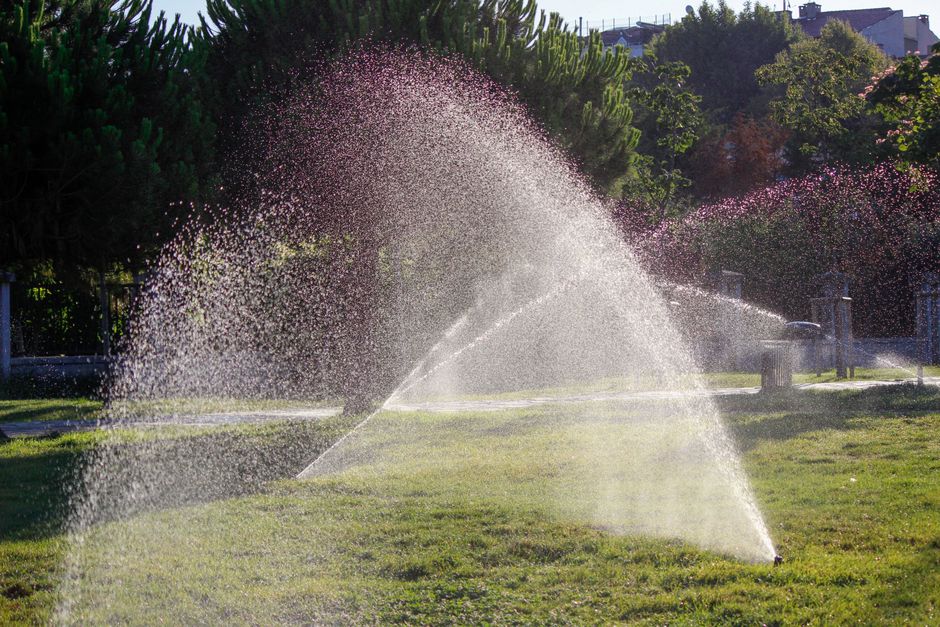
Standard new-sod advice says water once daily. In New Orleans summers, that is not enough during the first two weeks. The combination of 90°F+ soil temperatures and high evaporation rates means sod can stress between a morning and afternoon watering if nothing else runs.
Week-by-week watering guide:
- Days 1 to 14: Water twice daily, 6 to 8 AM and 1 to 2 PM. Each session should saturate the soil 2 to 3 inches deep. During heat spikes above 95°F, add a third session around 11 AM if sod edges start to curl or turn gray-blue (heat stress signs).
- Days 14 to 21: Shift to once daily, early morning only. Deep watering (3 to 4 inches) beats multiple shallow sessions. It trains roots to grow down rather than stay near the surface.
- Days 21 to 30: Water every two to three days. Established sod in Louisiana needs about 1 inch of water per week from rain or irrigation combined.
Critical rule: never water at night. Wet grass in New Orleans humidity for 8+ hours is a brown patch invitation. Always finish your last watering by 2 PM.
Traffic Rules: When Can You Use the Lawn?
Light foot traffic, walking across to get to the back door, is fine from day one. Heavy use is a different story.
- Days 1 to 7: Walk across only when necessary. No pets running, no kids playing, no furniture placement.
- Days 7 to 21: Light use is fine. Keep pets off wet sod (they leave tracks). No heavy furniture, no lawn equipment except your mower.
- Day 21+: Normal use, assuming the sod has rooted. Test by grabbing a corner of a sod piece and lifting. If it resists and pulls soil with it, you are rooted. If it peels up easily, give it another week.
First Mowing: Timing and Technique
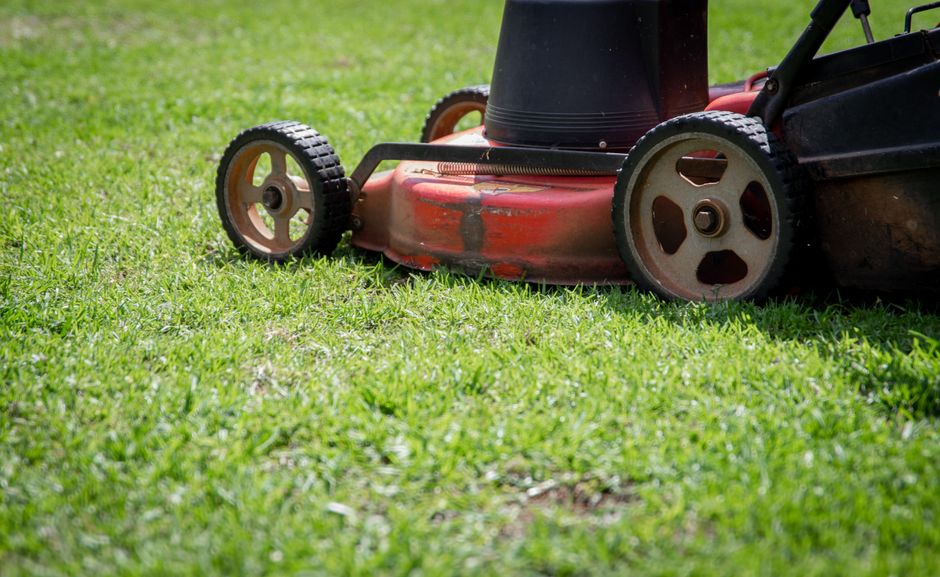
Mow when the grass reaches 3 to 4 inches tall, which typically happens 10 to 14 days after install in the warm growing season. Do not wait longer. Tall grass shades the soil and encourages disease.
First mow checklist:
- Set the mower to remove no more than one-third of the blade height at a time (the one-third rule applies regardless of grass type)
- Use a sharp blade. A dull blade tears rather than cuts, leaving ragged wounds that turn brown and invite fungus
- Wait until the soil is firm enough that your mower wheels do not leave ruts
- Mow in a different direction than the sod was laid to avoid tracking along seam lines
Height targets by grass type after the first mow:
| Grass Type | Mow When It Reaches | Cut Down To |
|---|---|---|
| St. Augustine | 4 inches | 3 inches |
| Zoysia | 3 inches | 2 inches |
| Bermuda | 2.5 inches | 1.5 inches |
| Centipede | 3 inches | 2 inches |
Fertilizing New Sod: What to Apply and What to Avoid
Apply a starter fertilizer at installation or within the first seven days. Look for a high-phosphorus formula. The middle number in the N-P-K ratio should be highest (15-30-15 or similar). Phosphorus drives root development.
Do not apply high-nitrogen fertilizer in the first 30 days. Nitrogen pushes leaf growth before roots are ready to support it. You get fast green growth that wilts in afternoon heat and succumbs to disease faster.
The regular fertilization schedule starts at day 30, using a balanced turf fertilizer appropriate for the grass type.
Spotting Problems Early: What to Watch For
New sod issues appear fast. Catching them in the first five days prevents bigger problems later.
- Curling or gray-blue color: Heat stress. Water immediately, even if it is not your scheduled session.
- Brown edges spreading inward: Underwatering at seams, or installation gaps. Check irrigation coverage at the perimeter.
- Circular brown patches with darker border: Brown patch fungus. Apply labeled fungicide within 48 hours.
- Sod lifting at corners: Not rooted yet. Increase watering slightly and keep traffic off.
- Yellow patches: Often nitrogen deficiency or waterlogging. Check drainage in low spots.
Frequently Asked Questions
How often should I water new sod in New Orleans?
Water twice daily for the first two weeks, morning and early afternoon. Each session should wet the soil 2 to 3 inches deep. In summer heat above 90°F, add a third midday session if the sod edges start to curl. After two weeks, shift to once daily. By week four, water every two to three days like established turf.
When can I walk on new sod after installation?
Light foot traffic is fine immediately after install. Avoid heavy use, like kids playing, lawn furniture, and heavy equipment, for the first three weeks. The roots need to anchor before the turf can handle pressure. Test readiness by grabbing a corner of a sod piece and lifting: if it resists, it is rooted.
When do I first mow new sod in New Orleans?
Mow when the grass reaches 3 to 4 inches, typically 10 to 14 days after install. Set your mower to remove no more than one-third of the blade height. Use a sharp blade. Dull blades tear new grass and introduce disease. Avoid mowing when the soil is wet and soft, which causes wheel ruts.
Can I fertilize new sod right after installation?
Apply a starter fertilizer at installation or within the first week, high phosphorus to encourage rooting (a 15-30-15 formula is common). Do not apply a high-nitrogen fertilizer in the first 30 days. Nitrogen pushes top growth before roots are established, which weakens the plant and increases disease risk in humid New Orleans weather.
Why are the edges of my new sod turning brown?
Brown sod edges usually mean underwatering or installation gaps. Edges and seams are the first areas to dry out because they have less soil contact. Check that your irrigation covers the perimeter, not just the center. If gaps between sod pieces are wider than a half-inch, fill them with soil and water thoroughly. Brown that spreads from the edges inward is a more serious sign of heat stress or disease.
What diseases should I watch for in new New Orleans sod?
Brown patch (Rhizoctonia) is the main threat in summer, showing up as circular brown patches with a dark border. It thrives in the same warm, humid conditions New Orleans summers produce. Avoid watering at night, which keeps grass wet for hours. If you see circular patches forming, apply a fungicide labeled for brown patch within 48 hours. It spreads fast in August heat.
Need help getting new sod established? Big Easy Sod’s lawn care maintenance service covers the full establishment period, including irrigation checks and disease monitoring.