
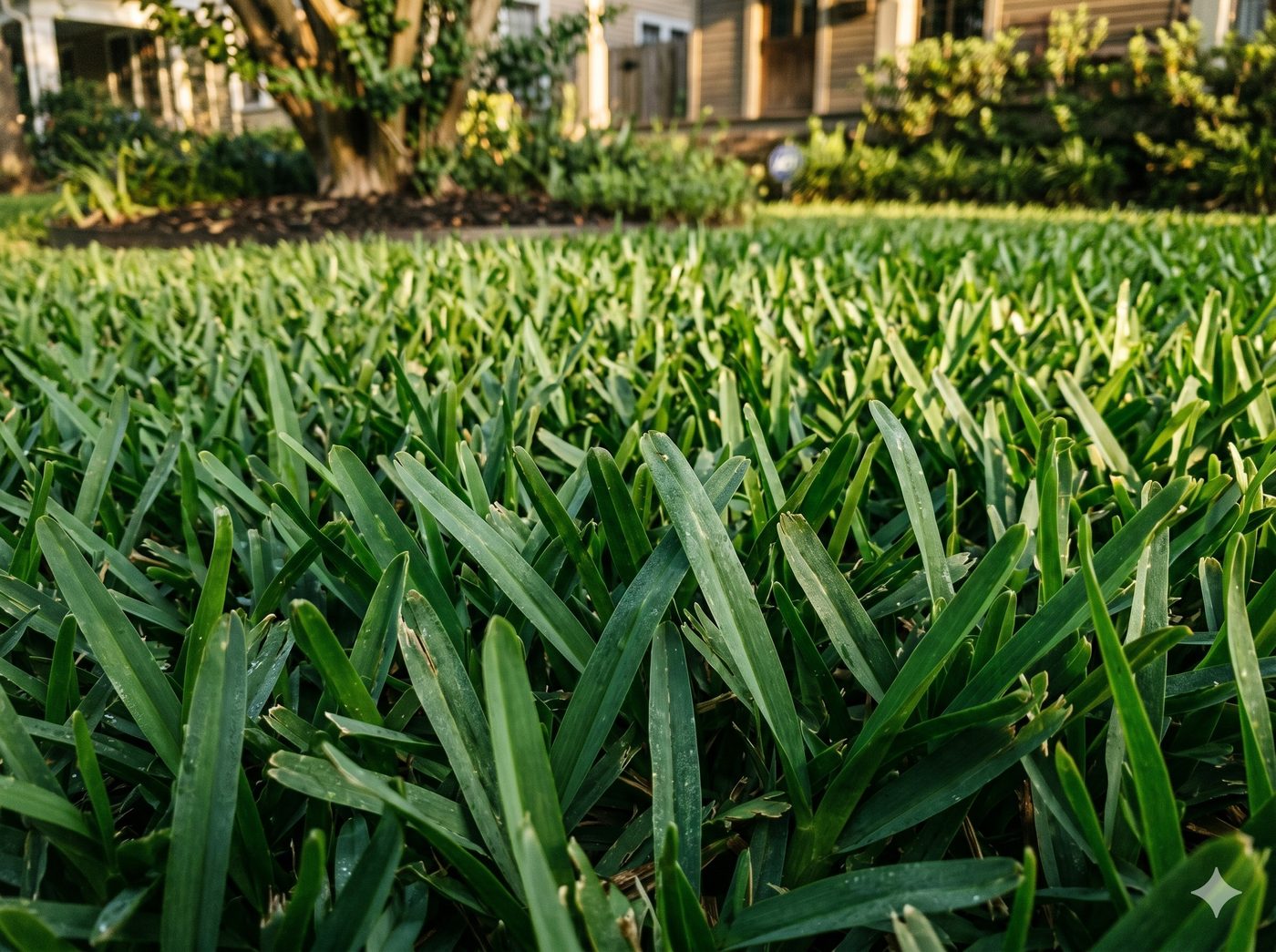
St. Augustine
Better shade and traffic tolerance. More versatile across NOLA yard conditions.
Learn moreMinimal fertilizer, minimal water, minimal mowing. Centipede asks for less than any other warm-season grass. The right choice for the right yard.
More Centipede lawns fail in New Orleans than any other grass type. Not because the grass is weak, but because it gets installed in the wrong yard. Homeowners read "low maintenance" and call it a match. Installers skip the soil check and put it down anyway. Within two seasons, it thins, yellows, and dies. Big Easy Sod assesses soil pH and drainage before recommending Centipede for any installation, because the grass that requires the least from a matched yard is also the grass that forgives the fewest mistakes in an unmatched one.
When the conditions are right, Centipede genuinely earns the low-maintenance label. It thrives in acidic soil with a pH between 5.0 and 6.0, which is common in NOLA loamy and sandy loam zones. It needs less fertilizer than any other warm-season grass we install, less water than St. Augustine, and far less mowing than Bermuda. One fertilizer application per year in late spring is the standard. Mowing every two to three weeks during the growing season is normal.
The disqualifiers are specific: heavy clay soil, high-pH soil, significant shade, and high foot traffic. Centipede does not recover from damage the way Bermuda does, and it cannot tolerate the same traffic load as Zoysia. Soil conditions that read fine on the surface can mask drainage and pH problems that will kill a Centipede lawn in the first wet summer. The soil check is not optional.
Get a Free Assessment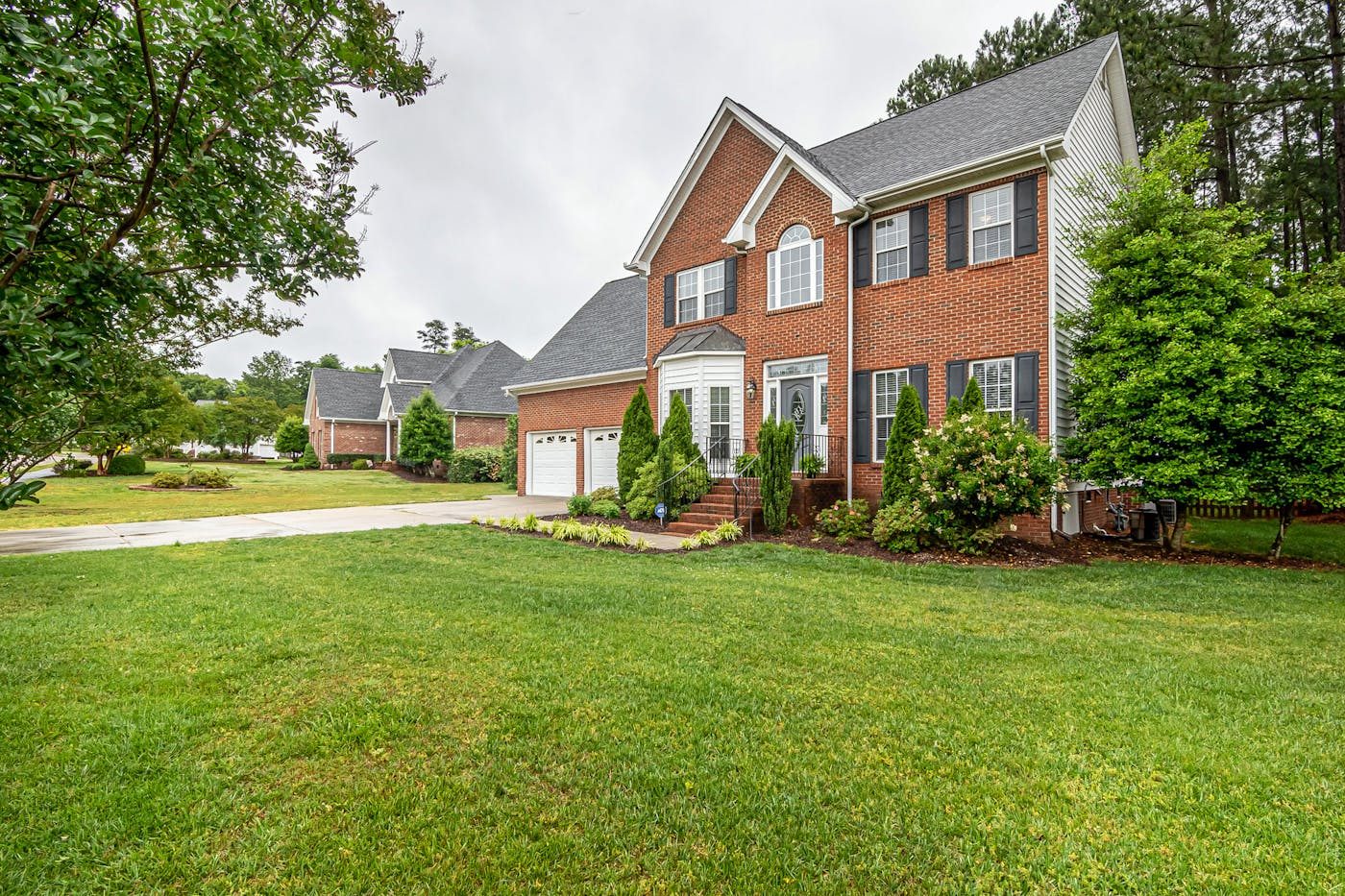
The standard variety. Medium green, coarse blade, excellent low-maintenance performance in the right soil conditions across the NOLA metro.
Better cold hardiness and improved color over common Centipede. Stronger performer for North Shore properties with colder winters.
Faster establishment than common Centipede with similar low-maintenance characteristics. Good option when speed of coverage matters.
Dense, cold-tolerant, and slightly better shade performance than standard varieties. Handles transition zone conditions well.
No mystery. No runaround. Here's exactly what happens when you call Big Easy Sod.
Tell us about your yard. Or we'll come out and look at it ourselves. We assess your soil, drainage, sun exposure, and give you an honest quote. No pressure, no mystery pricing.
Our crew handles everything: removing old turf, grading the soil, laying the sod correctly the first time. Most residential installs are done in a single day.
We walk you through care instructions, answer your questions, and leave the yard clean. Then we get out of your way and let the grass do its thing.
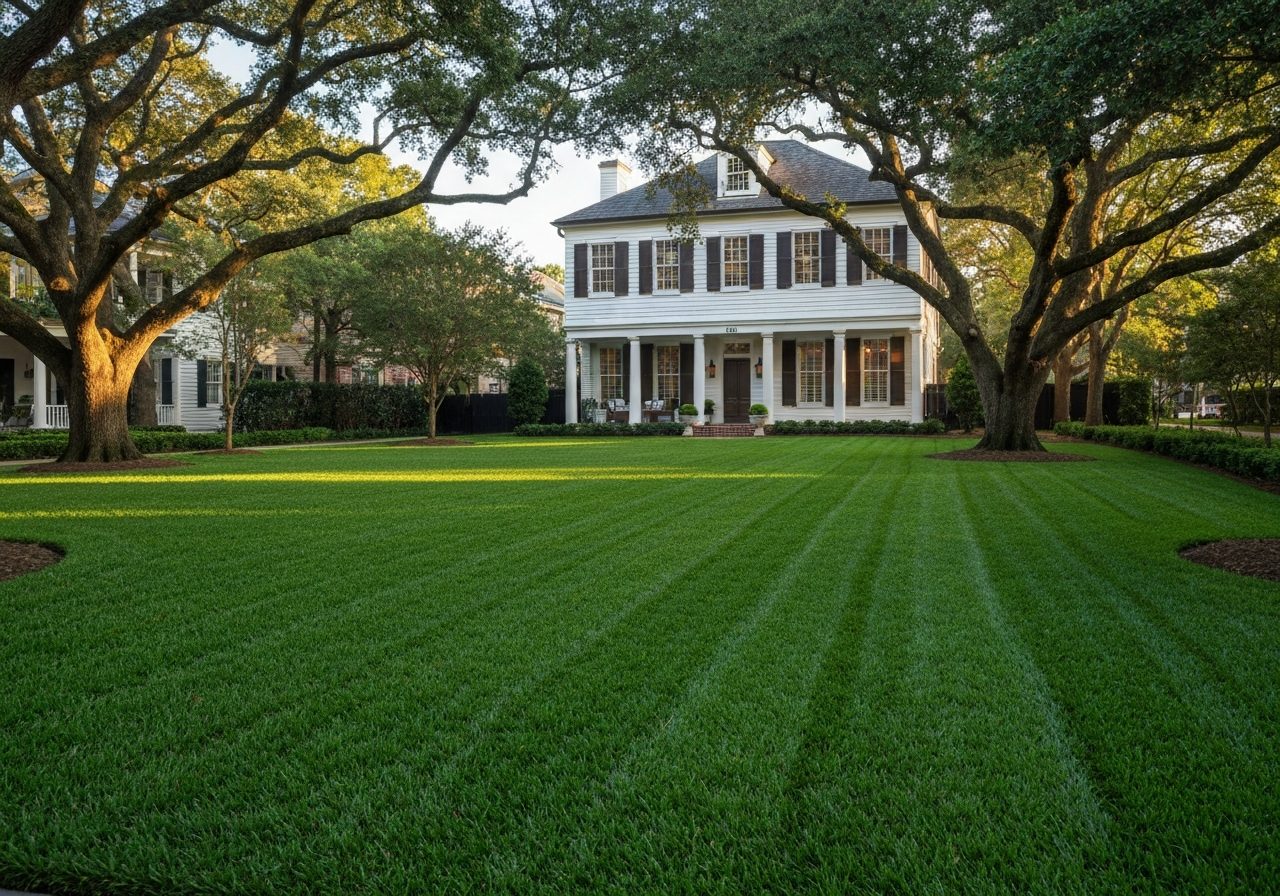
Real results from New Orleans homeowners and property managers.
Better shade and traffic tolerance. More versatile across NOLA yard conditions.
Learn more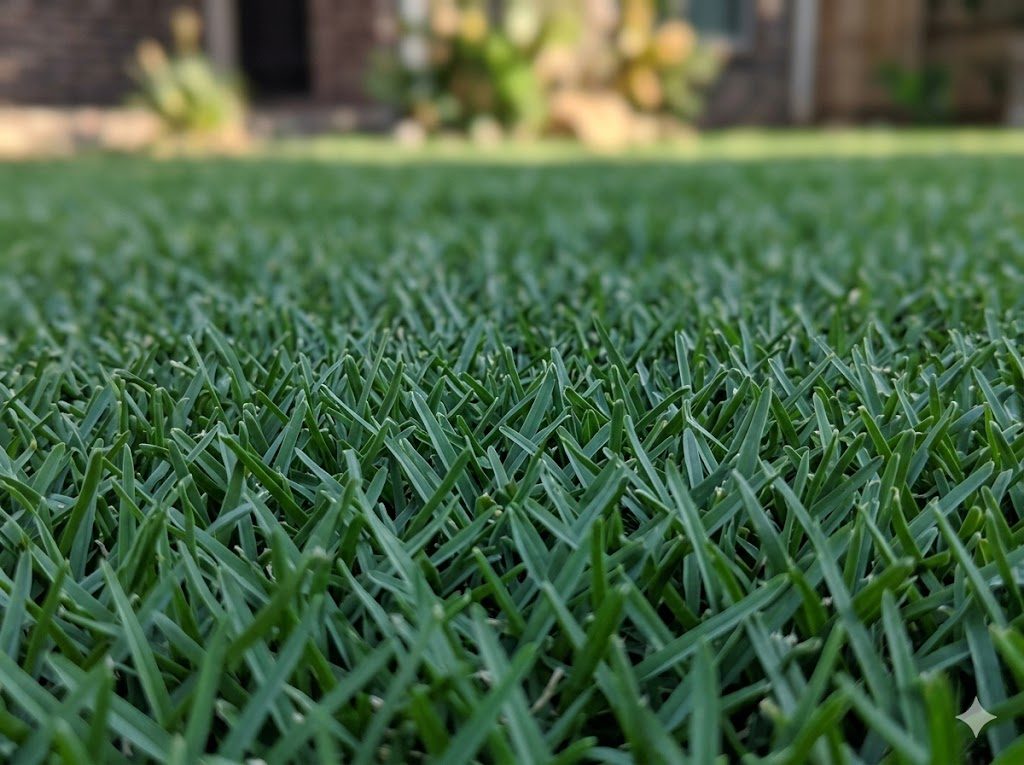
Low maintenance like Centipede but with better traffic and shade performance.
Learn more
Best for full-sun, high-traffic yards. Fastest establishing grass we install.
Learn morePremium St. Augustine cultivar for heavy shade in NOLA yards with mature oaks.
Learn moreCentipede can be an excellent choice for the right New Orleans yard. When soil conditions align, it is the lowest-maintenance warm-season grass available in the NOLA market. The key qualifiers are acidic soil, good drainage, full to partial sun, and low foot traffic. Yards that meet all four criteria often do very well with Centipede long-term. Yards that do not meet them will struggle regardless of how well it is installed.
Centipede thrives in acidic soil with a pH between 5.0 and 6.0. Parts of the New Orleans metro, particularly areas with loamy or sandy loam soil, fall naturally in that range. Heavier clay soils common in other parts of the city tend to run higher pH and drain poorly, both of which stress Centipede significantly. Big Easy Sod checks soil pH before recommending Centipede for any installation.
Centipede requires less maintenance than any other warm-season grass we install. One fertilizer application per year in late spring is the standard. Mowing is every two to three weeks during the growing season at 1.5 to 2 inches. Watering is demand-based rather than scheduled. The counterintuitive rule with Centipede is that doing less is usually better. Over-fertilizing and over-watering are the two most common causes of Centipede failure.
Centipede tolerates light to moderate shade but is not a shade specialist. It handles filtered light reasonably well but struggles under a dense live oak canopy with less than three hours of direct sun. For heavily shaded NOLA yards, Palmetto St. Augustine is a better recommendation. Centipede's primary advantage over other grasses is low maintenance, not shade performance.
Centipede establishes more slowly than Bermuda and on par with or slightly slower than St. Augustine. Expect four to six weeks before light traffic and a full growing season before the lawn reaches complete density. TifQuik is a cultivar that establishes somewhat faster than Common Centipede and is a useful option when coverage speed matters.
The most common cause is over-fertilization. Applying too much nitrogen causes Centipede decline, a condition where the grass thins, yellows, and fails to recover. High-pH or heavy clay soil is the second most frequent issue, making it critical to assess soil conditions before installation. High foot traffic and deep shade are also failure points. When Centipede fails in NOLA, it is almost always because one of these conditions was not evaluated before the install.
Tell us about your yard and we will get back to you within 24 hours. Free assessment, honest quote, no runaround.
