
Quick Summary
The questions that separate a thorough sod crew from a quick one are about what happens before the grass arrives, not about price per square foot. Ask whether the old lawn is stripped or covered over, what soil preparation is written into the quote, how many hours old the sod will be when it reaches your yard, and who waters it for the first two weeks. Big Easy Sod installs across Greater New Orleans and answers all four in writing before a crew is booked.
Last Updated: September 2026
On this page
- Does the installer remove the old lawn, or lay sod straight over it?
- What soil preparation is included in the quote?
- Where is the sod cut, and how old is it on delivery?
- Does the crew grade for drainage before laying?
- What does the warranty actually cover?
- Who is responsible for the first two weeks of watering?
- Is the crew licensed and insured, and who is actually on your property?
- Can the installer show you sod they have laid nearby?
- What are the red flags in a sod quote?
- Frequently Asked Questions
Sod is one of the few home improvements that can look perfect on the day and be dead within a month. The grass itself is rarely the problem. What fails is everything underneath it, and that work is invisible by the time the last piece is laid.
That is what makes comparing sod quotes so awkward. Two numbers for the same yard can differ by hundreds of dollars, and nothing on either page tells you that one includes stripping the old lawn and grading for drainage while the other means a crew arriving with pallets and laying them on whatever is already there. Big Easy Sod works across Orleans and Jefferson Parishes and the Northshore, and the questions below are the ones worth asking every installer you speak to, including us.
Does the installer remove the old lawn, or lay sod straight over it?
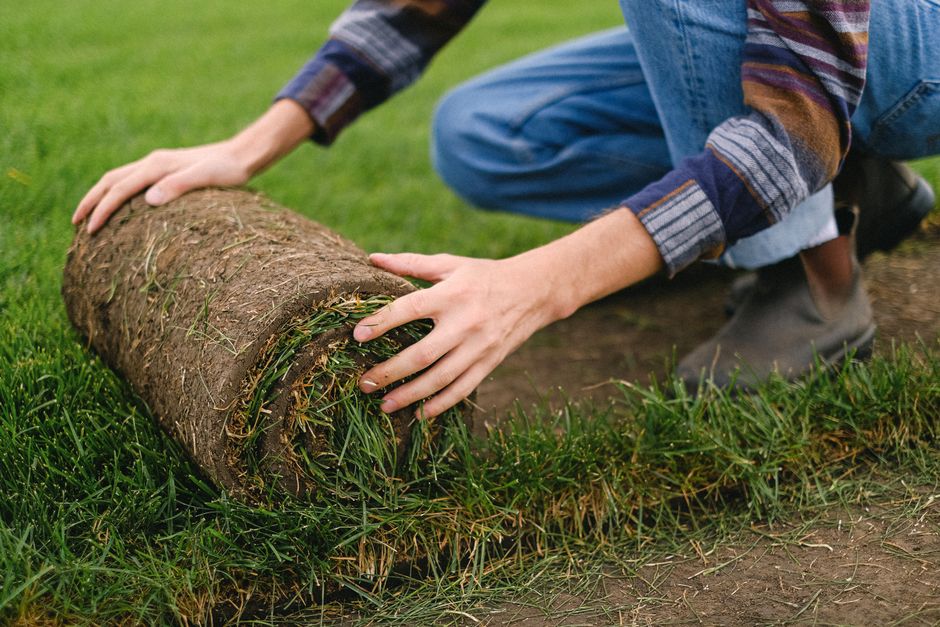
Ask this first, because it is the biggest difference between quotes. New sod needs contact with soil to root. Laying it over an existing lawn puts dead thatch between the new roots and the ground, and the grass greens up for a few weeks on the moisture in the pieces before it thins and dies.
A proper installation strips the existing turf and its root layer, then hauls it away. That is real labor and real disposal cost, and it is the line most often missing from a cheap quote. If an installer tells you removal is unnecessary because the old grass will break down underneath, treat that as a reason to look elsewhere.
The exception is a bare lot or new construction where there is nothing to remove. In that case the work shifts to breaking up compacted ground instead, which brings us to the next question.
What soil preparation is included in the quote?
Soil preparation is where a sod job is won or lost, and it should be itemized rather than implied. New Orleans sits on clay that compacts hard and gives roots very little to push into. Sod laid on untouched clay roots slowly and shallowly, so it browns first in heat and is slow to knit together.
Ask specifically what happens between the old lawn leaving and the new sod arriving. You want to hear about tilling or breaking the surface, leveling, and correcting low spots. Get it in the written quote, because “site prep included” can mean anything from a full grade to a pass with a rake. Our walkthrough of what preparing a yard for sod actually involves sets out the steps a crew should be doing.
Where is the sod cut, and how old is it on delivery?

Sod is a perishable product and its clock starts when it is cut, not when it is delivered. Stacked on a pallet in Louisiana heat it heats up from the inside, and grass that has sat two or three days can go down looking acceptable and still fail in patches.
A straight answer sounds like a named farm and a same-day or next-day harvest. A vague one, where nobody can tell you where the grass comes from or when it was harvested, usually means it is bought from whoever has pallets available that week. Ask what happens if weather delays the install after the sod is already cut, because the honest answer is that the harvest gets rescheduled rather than the pallets sitting in a driveway.
It is also worth asking which varieties they can actually source. An installer who only ever offers one grass is selling what they can get rather than what suits your yard, and shade, traffic and drainage should all steer that choice.
Does the crew grade for drainage before laying?
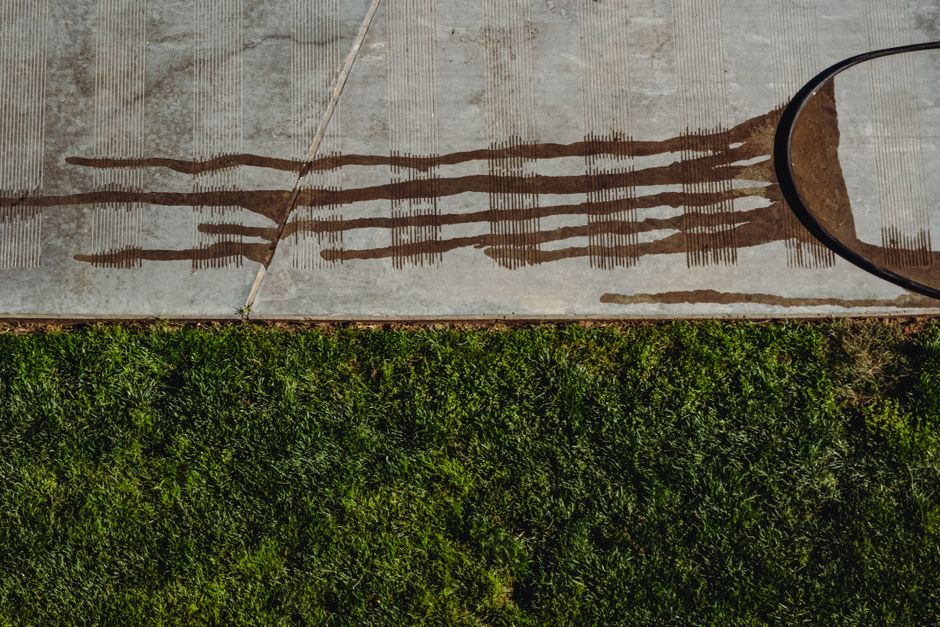
In a city where a heavy afternoon storm puts standing water across whole yards, grading is not a premium extra. Sod sitting in water suffocates, and the low corner that holds a puddle for two days after a storm will be the first place the new lawn goes yellow and then bare.
Ask whether the installer looks at where water goes before quoting, and what they propose for any low areas. The answer might be as simple as bringing in soil to raise a corner, or it might be that a yard needs drainage work that is genuinely a separate job. Either is a reasonable answer. What is not reasonable is nobody mentioning water at all in a city built below sea level. Yards with a real history of flooding need a different approach to sod in ground that holds water.
What does the warranty actually cover?
Almost every installer says they stand behind the work. The useful question is what specifically triggers a return visit, and for how long. A warranty that covers installation faults is meaningful. One that excludes anything to do with watering, which is most of what goes wrong, covers very little in practice.
Get three things clear. What failures are covered, how long the period runs, and what the homeowner has to have done to keep it valid. If watering is a condition, ask for the schedule in writing at handover rather than as a verbal instruction on the day. An installer who is straight about the limits of their guarantee is generally more reliable than one who implies it covers everything.
Who is responsible for the first two weeks of watering?
This is the question that decides whether a lawn lives, and it is almost always the homeowner’s job. New sod needs daily water for roughly two weeks, twice daily in real summer heat, before tapering off as roots take hold. Miss several days early and no warranty helps, because the grass has dried past recovery.
What you are listening for is whether the installer treats this as a handover or an afterthought. A crew that walks you through the schedule, tells you how to check whether water is reaching the soil rather than running off the surface, and warns you about the transition to less frequent watering is one that expects to be judged on how the lawn looks in three months. Ours is set out in what happens in the weeks after a sod installation.
Ask about irrigation too. If you have a system, someone should be checking coverage before the sod goes down, because dry strips between heads show up as brown lines within weeks.
Is the crew licensed and insured, and who is actually on your property?
Ask for proof rather than assurance, and ask whether the people doing the work are employees or day labor brought in for the job. It changes accountability. A crew that works together regularly gets levels right and seams tight, because they have laid a lot of sod together and the work shows it.
Insurance matters for the obvious reason that heavy equipment on a residential lot occasionally damages something. It also matters because an uninsured outfit that hits an irrigation line or a utility marker has no way to put it right. This is one of the few questions where the answer should be immediate and documented.
It is also fair to ask who you talk to if something goes wrong after the invoice is paid, and whether that is a person or a general inbox.
Can the installer show you sod they have laid nearby?
Ask for addresses or photos of lawns they installed six months to a year ago, not last week. Any crew can make a yard look good on the day the pallets go down. What tells you something is how those lawns look after a summer, once the roots either took or did not.
Local work matters more than volume. A crew that installs regularly around Metairie, Slidell or Uptown has dealt with the soil and shade you have, and knows which varieties hold up on your side of the lake. Recent nearby jobs are also the easiest claim to check, which is part of why it is worth asking.
What are the red flags in a sod quote?
Most bad sod jobs are visible in the paperwork before anyone shows up. The pattern is a quote that prices grass and labor while staying silent on everything that determines whether the grass survives, which makes it look cheaper than a complete one for the same yard.
- A single lump sum with no breakdown of removal, preparation, grading, sod and cleanup
- No mention of what happens to the old lawn
- A price given over the phone without anyone seeing the yard or asking about drainage
- Pressure to decide today, or a discount that expires within hours
- Cash only, or a large deposit before any work is scheduled
- No named grass variety, just “sod”
- No written aftercare instructions
Price is worth comparing once you know the quotes describe the same job. Ours breaks down the way costs are built in a guide to what sod installation costs around New Orleans. If you are still deciding whether to hire at all, the honest trade-offs are in our comparison of doing it yourself against bringing a crew in.
Frequently Asked Questions
How many sod installers should I get quotes from?
Three is enough to see the pattern. What matters is comparing quotes that describe the same scope, because a quote without soil preparation and old lawn removal is not a cheaper version of a complete one, it is a different job.
Should a sod installer visit before quoting?
Yes. Drainage, access, shade and the state of the existing lawn all change the work involved, and none of them can be assessed over the phone. A number given without a visit will usually change once the crew arrives.
Is the cheapest sod quote ever the right one?
Sometimes, if it genuinely covers the same work. More often the gap is soil preparation, turf removal or grading that has been left out, and that work either gets paid for later or the lawn fails.
Does Big Easy Sod install in my part of the New Orleans area?
Big Easy Sod covers Orleans and Jefferson Parishes, the Northshore towns including Slidell, Mandeville, Covington and Madisonville, and the river parishes. If an address sits at the edge of that, it is still worth asking.
How long does a residential sod installation take?
Most single-family yards are finished in one day once preparation is done. Larger properties, or yards needing significant grading, can run into a second day.
What time of year should the work happen?
The growing season here runs March through November, and sod laid inside that window roots fastest. Outside it, installation is still possible but establishment is slower.
Get the questions answered before the pallets are ordered
Every question above is answerable in a single site visit, and most installers will answer them readily. Our sod installation service across Greater New Orleans page sets out what is included, or send us your yard measurements for a free estimate. You can also call (504) 608-3321.
