Last Updated: October 15, 2026
Table of Contents
- Why does a Louisiana lawn calendar look different from a national one?
- What should a Jefferson Parish lawn get in winter?
- What does a warm-season lawn need in late winter and spring?
- What is the summer plan for a Jefferson Parish lawn?
- What does a Louisiana lawn need going into fall?
- When does a new sod install fit into this calendar?
- How do the dates shift by grass variety?
- Frequently Asked Questions
- Ready to reset your Jefferson Parish lawn with fresh sod?
Quick Summary: A Jefferson Parish lawn runs on a different calendar than a national lawn guide. Warm-season grasses here start to green up in late winter, grow hardest from May through September, and go dormant for the cool months. The right lawn chore depends on soil temperature, grass variety and your own soil test more than the calendar date.
Why does a Louisiana lawn calendar look different from a national one?
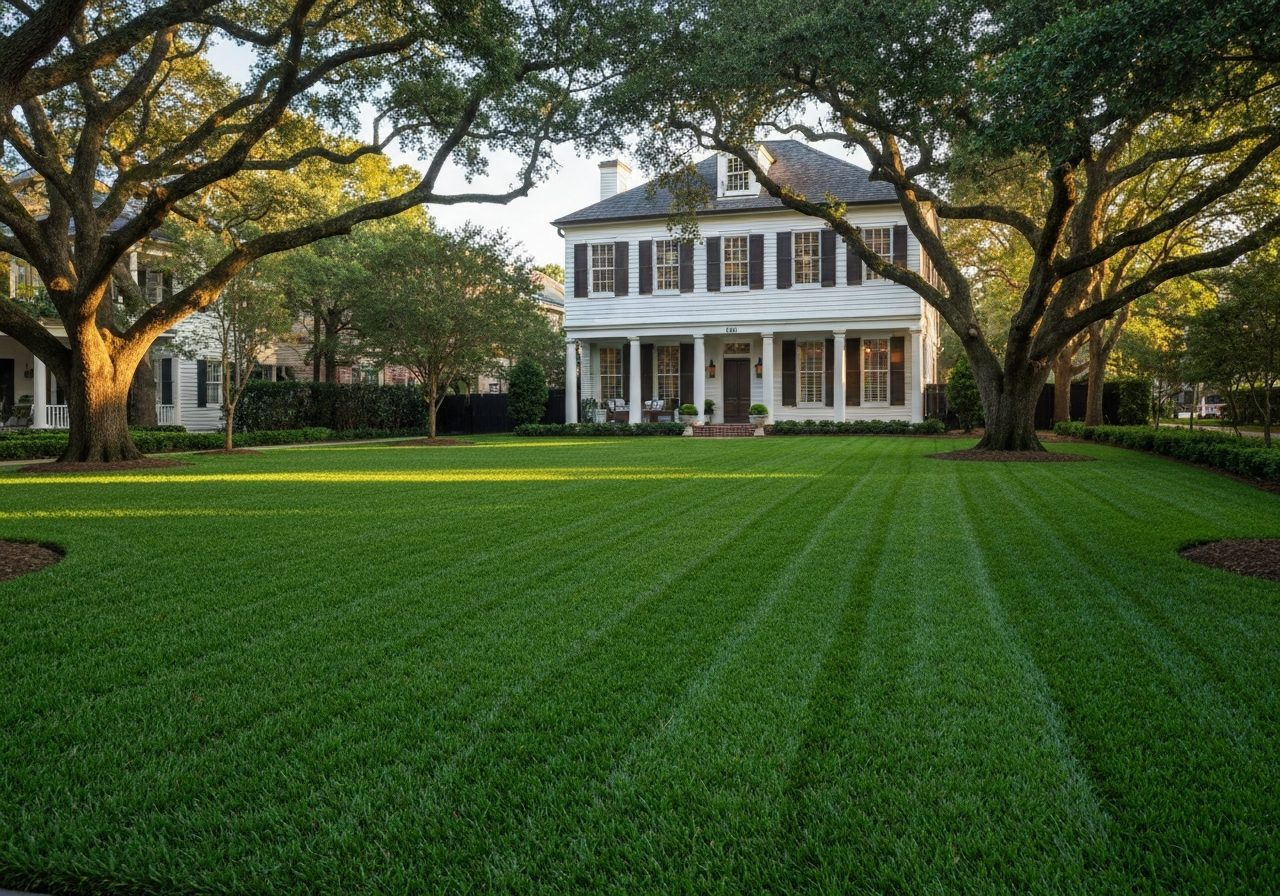
Jefferson Parish sits in USDA hardiness zone 9b, with one of the mildest winter ranges in the country and one of the longest growing seasons. National lawn calendars written for cool-season lawns in the Midwest or Northeast often get the timing backwards for warm-season grasses here.
The practical consequence: pre-emergent for crabgrass usually goes down in late winter, not spring, and fertilizer applications peak in late spring and summer. Big Easy Sod installs warm-season lawns across Jefferson Parish and the Northshore, and the calendar below reflects the general schedule for the four grasses we carry.
What should a Jefferson Parish lawn get in winter?
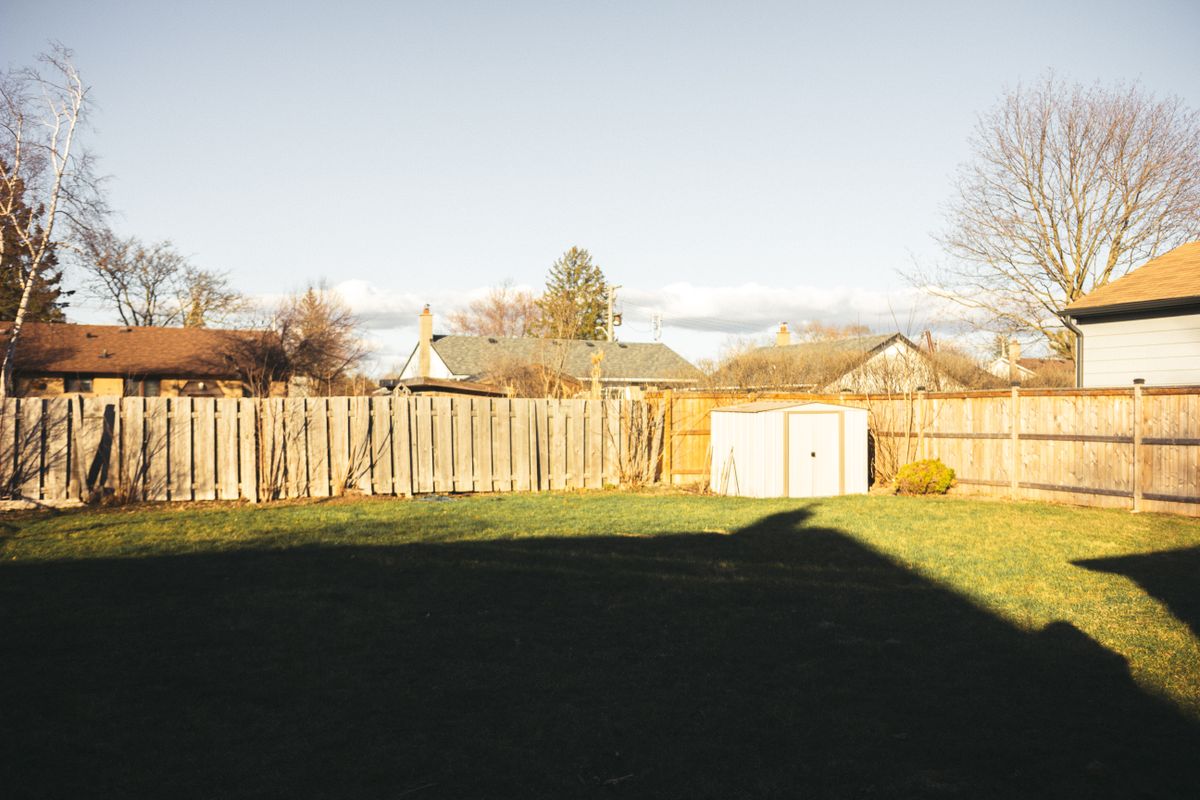
Winter is rest. Warm-season grasses in Jefferson Parish go dormant or semi-dormant through the cool months, and the main rule is to leave them alone. Do not fertilize a dormant lawn. Mow only if the grass is still growing enough to need it, and never shorter than you would in summer.
The one job to schedule in this window is a pre-emergent for crabgrass, applied when soil temperatures sit around 55 degrees. LSU AgCenter guidance walks through the timing by region. If you miss the window, a post-emergent can clean up in April, but prevention is cheaper. The St. Augustine brown-patch write-up covers how winter stress shows up in that variety.
What does a warm-season lawn need in late winter and spring?
Green-up usually starts in Jefferson Parish once soil temperatures hold above 65 degrees for a stretch of days. The lawn pushes color unevenly at first, with low spots and shaded sections lagging. Do not panic and do not fertilize yet. The grass is still rebuilding roots and nitrogen now sends energy up into the blades instead of down.
By mid-April the lawn is actively growing. The first fertilizer of the year usually goes down then, at a modest rate matched to the grass variety. For dieback diagnosis on a lawn that struggled last summer, our guide to reviving dying St. Augustine grass in New Orleans covers common causes.
What is the summer plan for a Jefferson Parish lawn?
Summer runs May through September, when warm-season grass does most of its growing. A second fertilizer application often goes down in July for grasses that take two feedings a year. Deep, infrequent watering suits dry stretches. Mowing frequency depends on variety and rainfall; Bermuda asks for weekly cuts, centipede less often.
Lawn aeration timing in south Louisiana is debated. Some sources suggest late spring or early summer during active warm-season growth; others, including BES’s own write-up on fall aeration in Louisiana, cover the fall option. The right call depends on soil compaction, grass variety and whether the lawn is going into dormancy soon.
What does a Louisiana lawn need going into fall?
Nitrogen fertilizer should wind down heading into fall. Common extension guidance in the Gulf South is to make the last nitrogen application a few weeks before dormancy to avoid pushing tender growth that cannot harden before cool weather. A soil test is the most reliable way to decide on anything beyond nitrogen.
October is a good month to run a soil pH test if you have not done one in a couple of years. Centipede wants acid, St. Augustine and zoysia are a bit more forgiving. The write-up on St. Augustine Decline in Louisiana covers how pH and nutrition interact with dieback, and similar thinking applies to centipede.
When does a new sod install fit into this calendar?
The strongest sod install window in Jefferson Parish runs late spring through early fall, when soil temperatures are warm, days are long, and rain is reliable. Rolls dropped in this window usually root quickly and establish within a few weeks under decent conditions. A late fall install still takes, but establishment stretches into the following spring.
Winter installs are possible on established warm-season varieties but tend to look dormant for weeks. If you have the choice, a late spring or early summer install gives you the best-looking lawn by the time you want to use it. The best time to install sod in New Orleans guide walks month by month.
| Month | Growth state | Main task |
|---|---|---|
| January | Dormant | Rest. No fertilizer. |
| February | Dormant to green-up | Pre-emergent for crabgrass as soil nears 55F |
| March | Green-up starting | Watch for weeds; no fertilizer yet |
| April | Active growth begins | First fertilizer application |
| May | Peak growth | Aerate compacted lawns; mow weekly |
| June | Peak growth | Deep watering; watch for brown patch |
| July | Peak growth | Second fertilizer for 2-feed varieties |
| August | Peak growth | Watering during dry stretches |
| September | Growth slowing | Final nitrogen a few weeks before dormancy |
| October | Winding down | Soil pH test |
| November | Entering dormancy | Last mows; prep for cool months |
| December | Dormant | Rest. No fertilizer. |
How do the dates shift by grass variety?
Centipede waits longest to green up and asks for the lightest fertilizer schedule. St. Augustine greens earlier and usually takes two feedings. Zoysia sits in the middle. Bermuda runs on the heaviest feed and the earliest mowing cycle. Timing on everything slides a little across the parish.
The calendar above covers the common pattern. For a per-variety fertilizer and watering table, pick the variety on your yard and lean on the care notes attached to each grass guide on our site.
Frequently Asked Questions
Can I apply pre-emergent after I see weeds?
Not for the weeds you can already see. Pre-emergent kills seedlings before they emerge; visible weeds call for a post-emergent. A pre-emergent applied after the first flush can still prevent later ones in the same season, so it is not useless, just not the right tool for the weeds already up.
How much water does a Jefferson Parish lawn actually need?
A healthy warm-season lawn typically wants roughly an inch of water a week in the growing season, including rainfall. Local soil, shade and grass variety all shift the number, so lawns that puddle easily or dry out quickly need adjustments from the baseline.
Can I mow my lawn shorter in winter?
Depends on the grass. Bermuda and zoysia are commonly scalped right before green-up as a reset practice, with appropriate timing. St. Augustine and centipede should not be scalped, since removing the top growth exposes the crown and raises dieback risk. If you are not sure which variety you have, hold the mowing height steady through winter.
When should I call a crew instead of handling it myself?
Call us at (504) 608-3321 if the lawn needs a full reset. For a maintenance calendar on an existing healthy lawn, most Jefferson Parish homeowners can handle it with the guide above.
Ready to reset your Jefferson Parish lawn with fresh sod?
If the lawn is past the point where a calendar can save it, a resod is often the more durable fix when patching keeps pulling the lawn apart. Send us the square footage, the current grass variety and what the yard has been struggling with and we will come back with a quote.