
Quick Summary
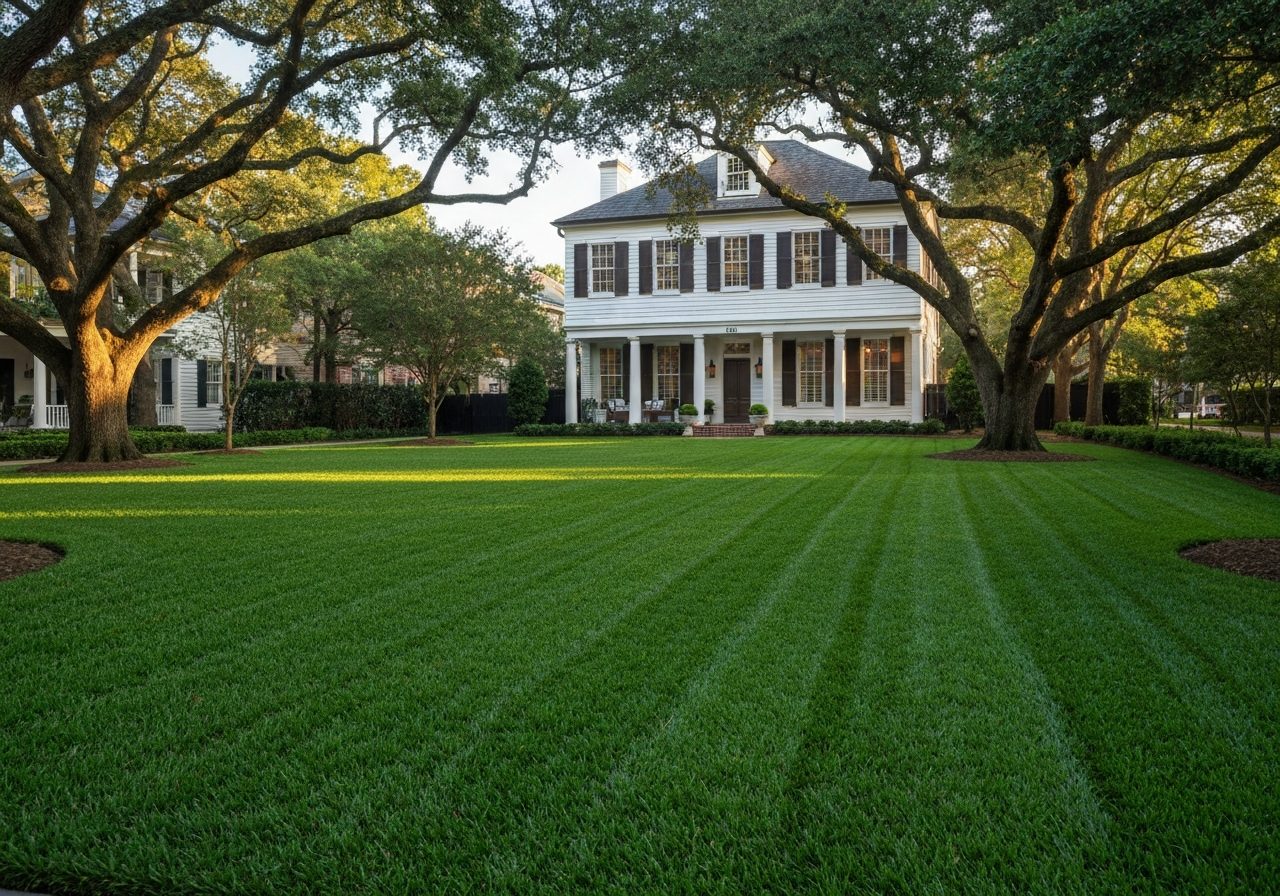
Zoysia needs at least six hours of full sun a day, and extension guidance rates it fair for shade rather than good. Within the species, Zoysia matrella cultivars such as Zeon handle reduced light better than the coarser japonica types. Below roughly six hours, the answer is a different grass rather than a different zoysia, which in a New Orleans yard under live oaks usually means Palmetto St. Augustine.
Last Updated: September 2026
On this page
- How much sun does zoysia actually need?
- How is shade tolerance actually measured?
- Why matrella cultivars handle shade better than japonica
- Which zoysia cultivars hold up best in shade?
- What a New Orleans live oak canopy actually does
- What to plant when the yard is below zoysia’s floor
- How do you manage zoysia already growing in partial shade?
- Frequently Asked Questions
Most people searching for the best zoysia for shade have already watched one zoysia lawn thin out and are hoping a different cultivar will fix it. Sometimes it will. Often the yard is below what any zoysia can live on, and choosing again inside the same species just repeats the result a season later.
Big Easy Sod installs across Greater New Orleans and the Northshore, where mature live oaks make this the most common lawn question in the city. What follows is where the real light threshold sits, which cultivars sit above it, and when to stop looking at zoysia altogether.
How much sun does zoysia actually need?
Zoysia needs at least six hours of full sun a day. University of Arkansas extension guidance puts the floor there, against eight hours for bermuda. Zoysia is rated fair for shade rather than good, so it tolerates some reduction in light without ever being a true shade grass.
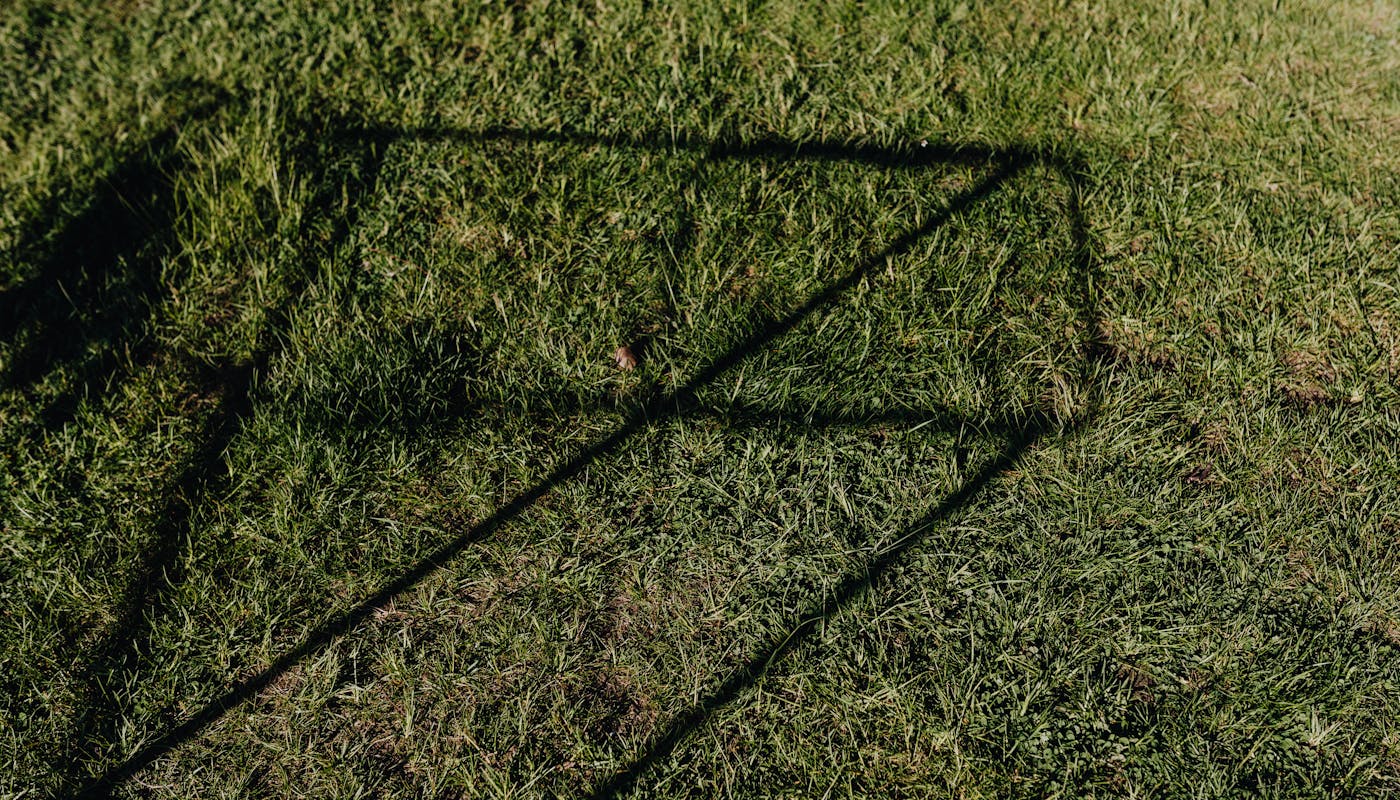
Six hours is more than it sounds, because six hours of genuine direct sun is more than many city yards get once trees, fences and a neighboring roofline are accounted for. Light that reaches the grass through leaves is not the same as direct sun, and the eye is a poor judge of the difference at midday.
The practical move is to watch one spot across a full day rather than glance at it once. Note when direct sun first lands on it and when it leaves, and count only the hours the grass is genuinely in the open. A yard that reads four hours is not a candidate for zoysia whichever cultivar goes down.
How is shade tolerance actually measured?
Shade tolerance is a ranking, not a pass or fail. That is worth knowing because extension tables rate species as good, fair or poor rather than shade tolerant or not, so a grass can be the best of a group and still be wrong for a dark yard.
This matters when reading any cultivar claim. A grass described as shade tolerant is being ranked against others of its kind, not promised to grow in deep shade. Zoysia rated fair sits below St. Augustine and above bermuda, which is the ordering the Arkansas guidance sets out.
It also explains why two neighbors get opposite results from the same cultivar. One yard sits just above the threshold and holds, the other sits just below it and thins, even where the sod and the installation are comparable.
Why matrella cultivars handle shade better than japonica
Zoysia is not one grass. Cultivars of Zoysia matrella typically carry good to excellent shade tolerance, while the coarser Zoysia japonica types generally do less well, according to University of Florida extension. That species split explains most of the difference people notice between one zoysia lawn and another.
Matrella types are finer bladed and denser, and are generally slower to establish and slower to recover from damage. Japonica types establish faster and are generally hardier in cold, which is why both keep being sold rather than one replacing the other.
The split is a guide rather than a law. El Toro is a japonica and still rates well for shade, so the species tells you where to start looking, not which single cultivar to buy. If you want the varieties set out side by side, our guide to which type of zoysia suits a New Orleans lawn compares them properly.
Which zoysia cultivars hold up best in shade?
Among zoysias, Meyer is the least shade tolerant. University of Arkansas extension names Crowne, Diamond, El Toro, Palisades and Zorro as performing better under shade, and University of Florida rates the fine textured Geo, Zeon and Zorro group as having good shade tolerance.
Of the cultivars Big Easy Sod actually stocks as zoysia sod, Zeon is the one to ask about for a yard with real shade, because it is a fine bladed matrella type. El Toro, Empire and JaMur are the coarser options. Neither is poor in shade, and University of Florida rates Empire’s shade tolerance as similar to El Toro’s, but the fine bladed matrella types are the ones to ask about where light is the binding constraint.
One caution on cultivar names. Shade claims made in marketing tend to be relative and rarely say what they are relative to, so treat any single cultivar described as shade tolerant as a starting point and match it against the hours your yard actually gets.
What a New Orleans live oak canopy actually does
A mature live oak does not dim light evenly, it removes most of it for most of the day and returns brief flecks. That is a different problem from a north facing wall, and it is why a lawn can look fine one summer and thin badly two summers later as the canopy closes.
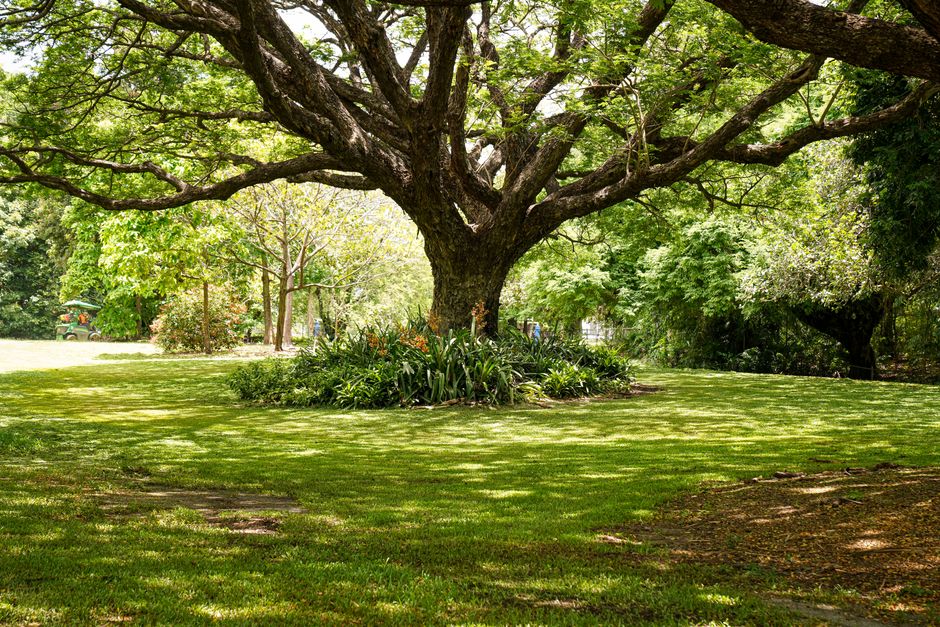
Live oaks also compete below ground. Oak roots typically extend well past the branch spread and draw water from the same top few inches the grass is trying to root into, so turf under a mature oak is short of light and short of water at once.
In practice the tree usually wins. Raising the canopy by removing low limbs buys some light and is worth doing where an arborist agrees it is safe for the tree, but it rarely turns a two hour position into a six hour one. Where the shade is permanent, the grass has to change or the area has to stop being lawn.
What to plant when the yard is below zoysia’s floor
Below about six hours, the honest answer is a different species rather than a different zoysia. St. Augustine is the most shade tolerant of the warm season grasses, which is why Palmetto is the cultivar Big Easy Sod points to for yards under a heavy canopy.
That is a real step up rather than a marginal one, and it is the reason a shaded back yard and a sunny front often end up on different grasses, or on St. Augustine throughout so the two halves match. Shade is not the only axis, though. Disease resistance differs between cultivars as well, so the choice is worth settling with the supplier rather than on light alone. Our St. Augustine sod page covers Palmetto and the other cultivars and what each one is suited to.
There is a floor below that too. Where a position gets almost no direct sun at all, warm season turf is unlikely to hold, and the durable answers are a shade bed, mulch or a ground cover rather than sod that will be replaced again in two years.
How do you manage zoysia already growing in partial shade?
Two adjustments do most of the work. Mow shaded areas half an inch to an inch higher than the sunny parts, so more leaf remains to capture what light there is, and cut fertilizer roughly in half, because shaded turf grows slower and cannot use a full rate.
Water is the adjustment people get backwards. Shaded ground dries more slowly and stays damp longer, so watering it on the same schedule as the sunny half keeps it wet, invites disease and does nothing for the light problem. Our guide to how often a zoysia lawn needs watering sets out the intervals.
Keep traffic off it as well. Shaded turf recovers from wear far more slowly than turf in full sun, so a path worn across a shaded section in August is still there in October. The wider maintenance picture is in our guide to how zoysia sod is planted and looked after.
Frequently Asked Questions
What is the most shade tolerant zoysia grass?
The fine textured Zoysia matrella cultivars, with Zeon the one Big Easy Sod stocks. University of Florida extension rates the Geo, Zeon and Zorro group as having good shade tolerance, and matrella types generally outperform the coarser japonica cultivars in reduced light.
How many hours of sun does zoysia need?
At least six hours of full sun a day, per University of Arkansas extension guidance, against eight for bermuda. Below that figure a zoysia lawn will thin regardless of which cultivar is installed.
Is zoysia or St. Augustine better for a shaded New Orleans yard?
St. Augustine, which is the most shade tolerant of the warm season grasses. Zoysia is rated fair for shade and sits between St. Augustine and bermuda, so under a heavy live oak canopy Palmetto St. Augustine is the more reliable choice.
Will zoysia grow under an oak tree?
Usually not well. A mature live oak takes both light and water from the same ground the grass needs, and many positions directly under the canopy fall below the six hour threshold even when the lawn looked acceptable in earlier years.
Can I just overseed the thin shaded areas with more zoysia?
No, and not only because the light problem remains. Zoysia japonica is the only zoysia widely available as seed, so seeding into a shaded area means adding the less shade tolerant type.
Does raising the mower height really help in shade?
Yes, within limits. Extra leaf area lets a thinning stand capture more of the light it does get, and half an inch to an inch above the sunny parts is the usual adjustment. It buys condition rather than solving a genuine light shortfall.
Get the hours measured before choosing the grass
Counting direct sun across one full day settles which side of the threshold a yard sits on, and it decides the species before anyone discusses cultivars. Where the ground also needs work first, our guide to preparing a yard before sod goes down covers that stage, and our installation service handles both. Call (504) 608-3321, or send the shade pattern and we will tell you what will hold.
