
Quick Summary
Replacing a lawn costs what installing one costs, plus getting the old one out, plus whatever the ground itself needs. New sod runs about $1.00 to $2.00 per square foot installed, and clearing existing grass typically adds $200 to $600 on a standard residential lot, or $0.25 to $0.50 per square foot where it is priced by area. Grade and drainage work, where the yard needs it, is the line that moves the total most.
Last Updated: September 2026
On this page
- How much does it cost to replace your sod in New Orleans?
- What does removing the old lawn add?
- What else gets priced into a replacement?
- Why does replacement cost more than a first install?
- When is replacing part of the lawn the cheaper call?
- What makes a replacement cost more than it should?
- Frequently Asked Questions
Most cost guides price a fresh install onto bare ground, which is not what a replacement is. A replacement starts with a lawn that has to come out, and the removal is a real line item rather than a rounding error on the quote.
Big Easy Sod replaces lawns across Greater New Orleans and Jefferson Parish, and the figures below separate the two halves so you can see which part of a quote is which.
Please note: The prices in this article are estimates only, shared to help you plan. Your actual cost depends on your property, the materials and the size of the job. For pricing on your project, call Big Easy Sod for a quote.
How much does it cost to replace your sod in New Orleans?
Take the installed sod figure and add removal. New sod runs about $1.00 to $2.00 per square foot installed, so a 2,000 square foot yard is roughly $2,000 to $4,000 before the old lawn is dealt with, and clearing that typically adds $200 to $600 on a standard lot.
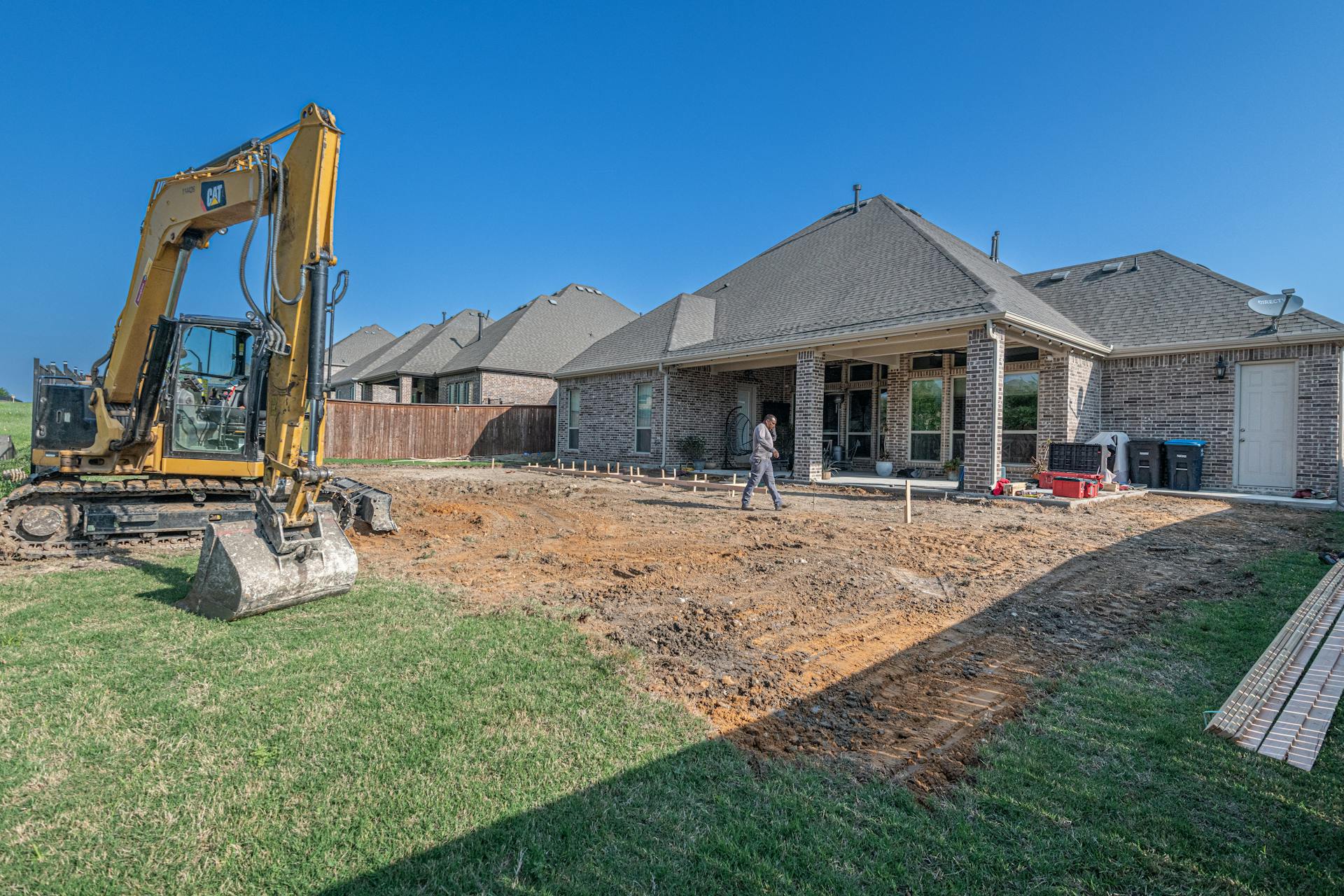
Those two numbers are the backbone of any replacement quote, and a quote that does not show them separately is worth questioning. The install half is fairly predictable per square foot. The removal half varies with how thick the existing grass is and how much debris has to leave the site.
Everything beyond those two is conditional on what the ground needs, which is why replacement quotes vary more than installation quotes for identical square footage. Our companion guide to what sod installation costs in New Orleans breaks down the install side in detail.
What does removing the old lawn add?
Clearing existing grass on a standard residential lot typically runs $200 to $600 depending on density and debris volume. Where it is priced by area instead, stripping and hauling the old lawn away is commonly charged at $0.25 to $0.50 per square foot on top of the install price.
Those are two different ways of charging for the same work, and on a larger yard they do not land in the same place. At $0.25 to $0.50 a square foot, a 2,000 square foot lawn is $500 to $1,000 to strip, which is above the flat lot figure, so it is worth asking which basis a quote uses.
The variable underneath both is debris. A thick, healthy lawn being replaced for a different variety produces far more material than a thin failing one, and that material is heavy, soil backed and has to leave the property rather than being piled at the back fence.
What else gets priced into a replacement?
Regrading low spots and slopes adds roughly $500 to $2,000 depending on severity, and soil amendment where a test shows it is needed runs about $300 to $800 for a typical yard. Neither is automatic, but on a lawn that failed once they are often the reason it failed.
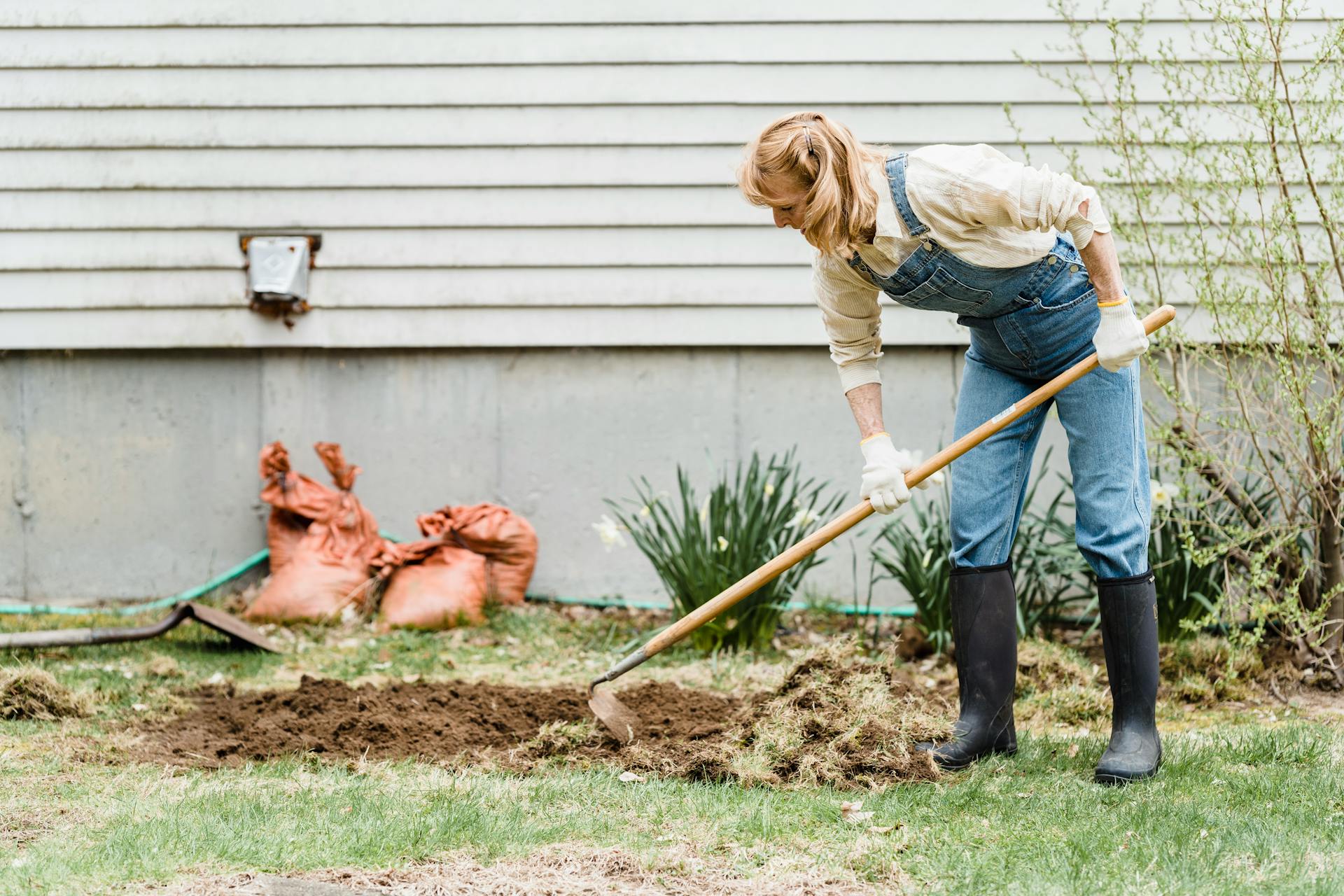
This is the part worth spending on rather than trimming. A replacement is a second attempt, and putting new sod onto the same conditions that killed the first lawn produces the same outcome on a slower timer. Removal is also the only moment the grade is easy to reach.
Irrigation is a smaller line that turns up often, since a system that has sat unused while a lawn declined usually needs attention before new sod goes down. Our guide to preparing a yard before sod goes down covers the full sequence.
Why does replacement cost more than a first install?
Because a first install onto bare ground skips the two most variable steps. There is nothing to strip, nothing to haul away, and the grade is usually already close to right from the build, so the quote is mostly sod and labor rather than sod, labor and demolition.
There is a second reason that shows up on older properties. A lawn being replaced has usually been there long enough for the ground underneath to change, through compaction, settling, tree roots or drainage that has shifted, and none of that is visible until the old turf comes off.
That is why a replacement quote sometimes moves after the strip. The removal stage is partly discovery, so a quote given before the ground is open is reasonably given with allowances or stated exclusions rather than as a final figure.
When is replacing part of the lawn the cheaper call?
Where the failure sits in defined areas rather than spreading through the whole lawn. Replacing only the failed sections keeps the healthy grass and is normally the cheaper option, and it scales with the area actually being done rather than with the size of the yard.
The judgement is about pattern rather than percentage. Damage confined to a shaded strip, a dog run or one waterlogged corner is a partial job. Thinning spread evenly across the whole lawn usually is not, because the cause is sitewide and patching it treats the symptom.
Matching is the trade-off to know about. A partial replacement puts freshly harvested sod beside established lawn, and the two can differ slightly in color and blade width for the first few weeks. Our guide to replacing only the failed sections covers where that works, and replacing the whole lawn is the answer where it does not.
What makes a replacement cost more than it should?
Replacing the lawn without fixing what killed it is the expensive mistake, because it buys the same job twice. Close behind it is discovering a drainage problem after the new sod is down, when correcting it means lifting grass you have just paid for.
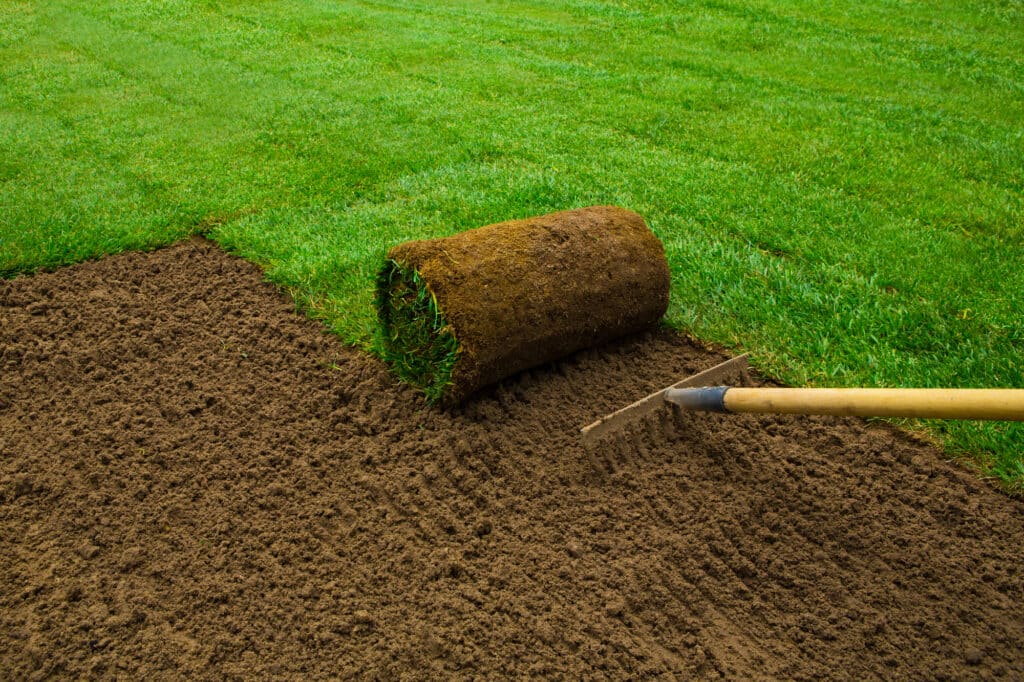
Access adds cost quietly. A rear yard reached only through a side gate means both the old lawn and the new sod are moved by hand, and that shows up in labor on both halves of the job rather than just one.
Timing matters too. Sod is cut to order and needs laying quickly, so sod is best scheduled only once grading and the rest of the preparation are complete, or pallets end up waiting. Sod replacement and reseeding covers how the stages fit together.
Frequently Asked Questions
How much does it cost to replace a 2,000 square foot lawn?
Roughly $2,000 to $4,000 for the new sod installed, plus removal. Clearing is typically $200 to $600 on a standard lot, or $500 to $1,000 at that size if it is charged at $0.25 to $0.50 per square foot.
Is replacing sod more expensive than installing it new?
Yes, because removal and disposal are added and the ground underneath has usually changed. A first install onto bare ground skips both, which is why per square foot comparisons between the two mislead.
Can I replace just part of my lawn?
Yes, where the damage sits in defined areas. Partial replacement keeps the healthy grass and is normally cheaper, though new sod beside established lawn can differ slightly in color at first.
Do I have to regrade when replacing sod?
Only if the yard needs it, but a lawn that failed once often does. Regrading runs roughly $500 to $2,000 depending on severity, and removal is the easiest moment to do it.
Can I save money by removing the old lawn myself?
You can save part of it, since the $200 to $600 and the per square foot figures cover stripping and hauling together. The debris still has to leave the property, and the material is heavy and soil backed, so disposal remains a cost either way.
Why did my quote change after the old lawn came off?
Because compaction, settling, roots and drainage are not visible under established turf. The removal stage is partly discovery, which is why a replacement quote is firmer once the ground is open.
Get the two halves quoted separately
A replacement quote is easier to judge when the sod and the removal are shown as separate lines, because it tells you where the money is going and what is conditional on the ground. Call (504) 608-3321, or tell us the square footage and what the current lawn looks like.
