
Quick Summary
No, not if you want the sod to live. New sod has to get its roots against soil, and a layer of old turf sits in the way, so the new grass dries out before it ever roots. The old lawn has to come off to bare soil first. On New Orleans clay, removal is also the one moment when drainage and grade are cheap to correct.
Last Updated: September 2026
On this page
- Can you lay sod over an existing lawn?
- Why does sod laid over turf fail to root?
- What does New Orleans clay add to the problem?
- What does proper removal actually involve?
- Sod cutter, herbicide or solarization: which and when?
- How does grade correction fit into removal?
- Frequently Asked Questions
It is a reasonable question to ask. Removing a lawn is the slowest, dirtiest and least enjoyable part of the job, and laying new sod straight over the top looks like it should work, particularly where the old grass is already thin and half dead.
Big Easy Sod installs and replaces lawns across Greater New Orleans, and this shortcut is one we get asked about most weeks. The short answer is below, along with what removal actually involves and why the ground underneath matters more here than in most places.
Can you lay sod over an existing lawn?
Almost never, and not in the way the question usually means. New sod needs its roots against soil to establish, and a layer of old turf sits between the two. The exception is not leaving the old lawn in place, it is reducing it to bare ground first.
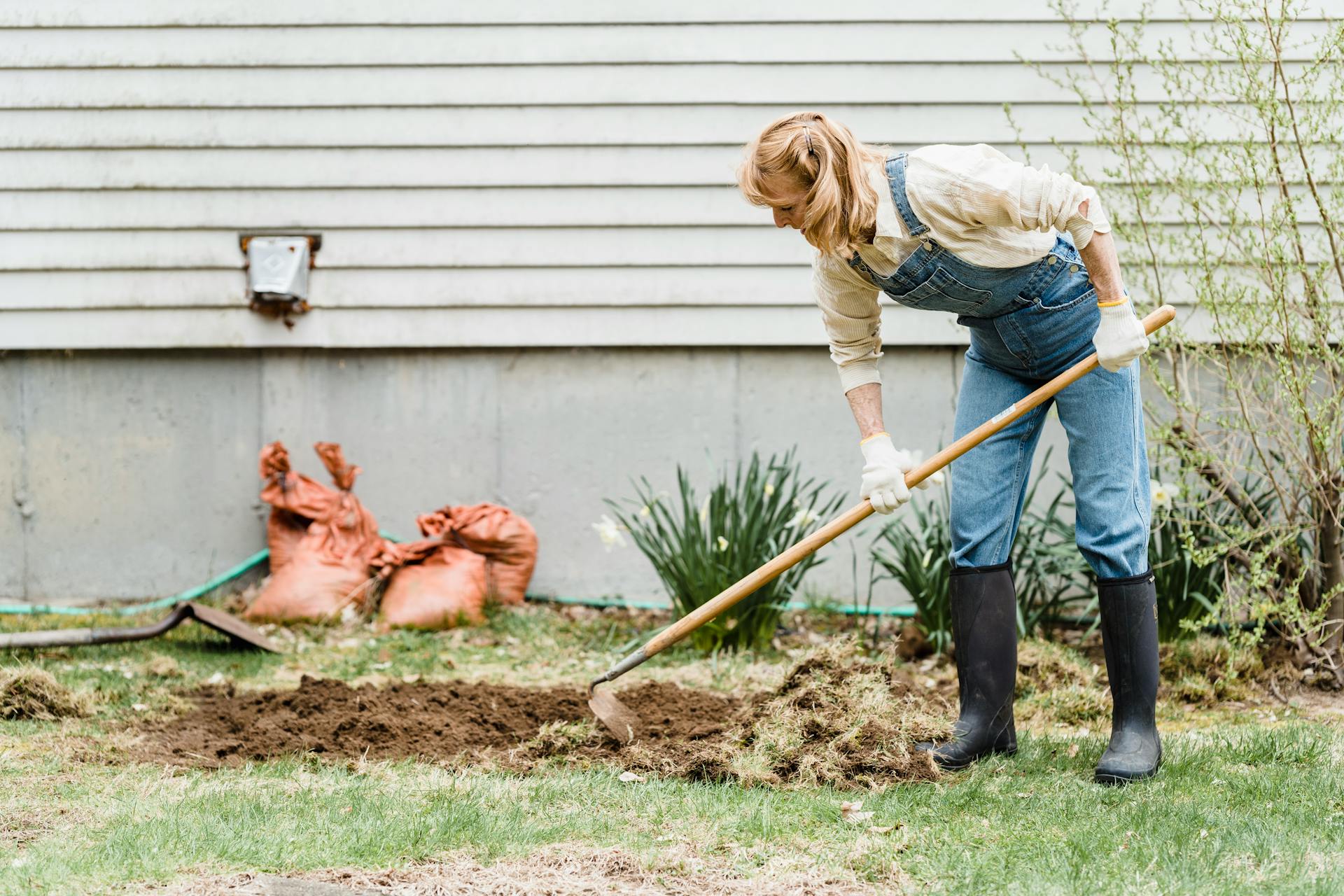
People sometimes describe a job where sod went down over a lawn that had been killed off, scalped to the crowns, dethatched and raked clear. That does work, and it is worth noticing what actually happened: the old lawn was removed, just by a different method than a cutter. What fails is laying sod onto turf that is still there.
The cost of getting it wrong is what makes the shortcut a bad bet. A failed install does not leave you where you started, it leaves two layers of dead material to lift and a second pallet order to pay for, on ground that is now worse than it was.
Why does sod laid over turf fail to root?
Roots have to reach soil to take up water, and old turf is a mat they cannot push through quickly enough. The new sod dries out while it is still sitting on top of the old lawn, and what follows is two dead layers to lift instead of one.
Timing is what decides it. New sod has a short window in which it must root or fail, so anything that slows root contact by even a week or two is a serious risk in summer heat. Our guide to how long new sod takes to root in Louisiana sets out what should be happening underneath and when.
Watering harder does not rescue it, either. Water applied to sod that is perched on a thatch layer can run off or sit in the mat rather than soaking into soil the roots can reach, which is why these installs often look overwatered and drought stressed at the same time. The intervals that do work are in our guide to watering new sod week by week.
What does New Orleans clay add to the problem?
Heavy clay drains slowly, and an old turf layer trapped underneath new sod holds water against it rather than letting it through. In a climate averaging around 62 inches of rain a year, that combination can keep the root zone wet, which is what turf diseases want.
This is the part that makes the shortcut worse here than it would be on sand. A buried organic layer decomposing under new sod on clay creates conditions warm season turf diseases favor, and it does it in the top few inches where the new roots are trying to establish.
Yards that already hold water after a storm are the worst candidates of all, because the drainage problem is the thing that needs fixing and burying it under new sod simply repeats it. Our guide to installing sod in flood prone New Orleans yards covers what to do where water stands.
What does proper removal actually involve?
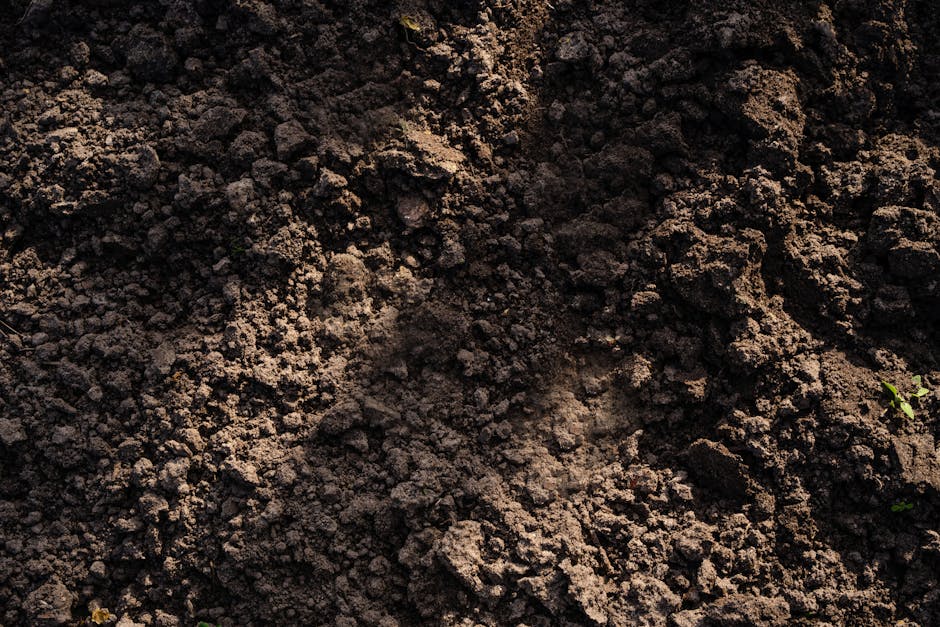
Taking the old lawn down to soil, then loosening the top few inches so roots can move into it. That means stripping the turf and its thatch rather than mowing it short, clearing the debris off site, and finishing with a surface that is level and friable.
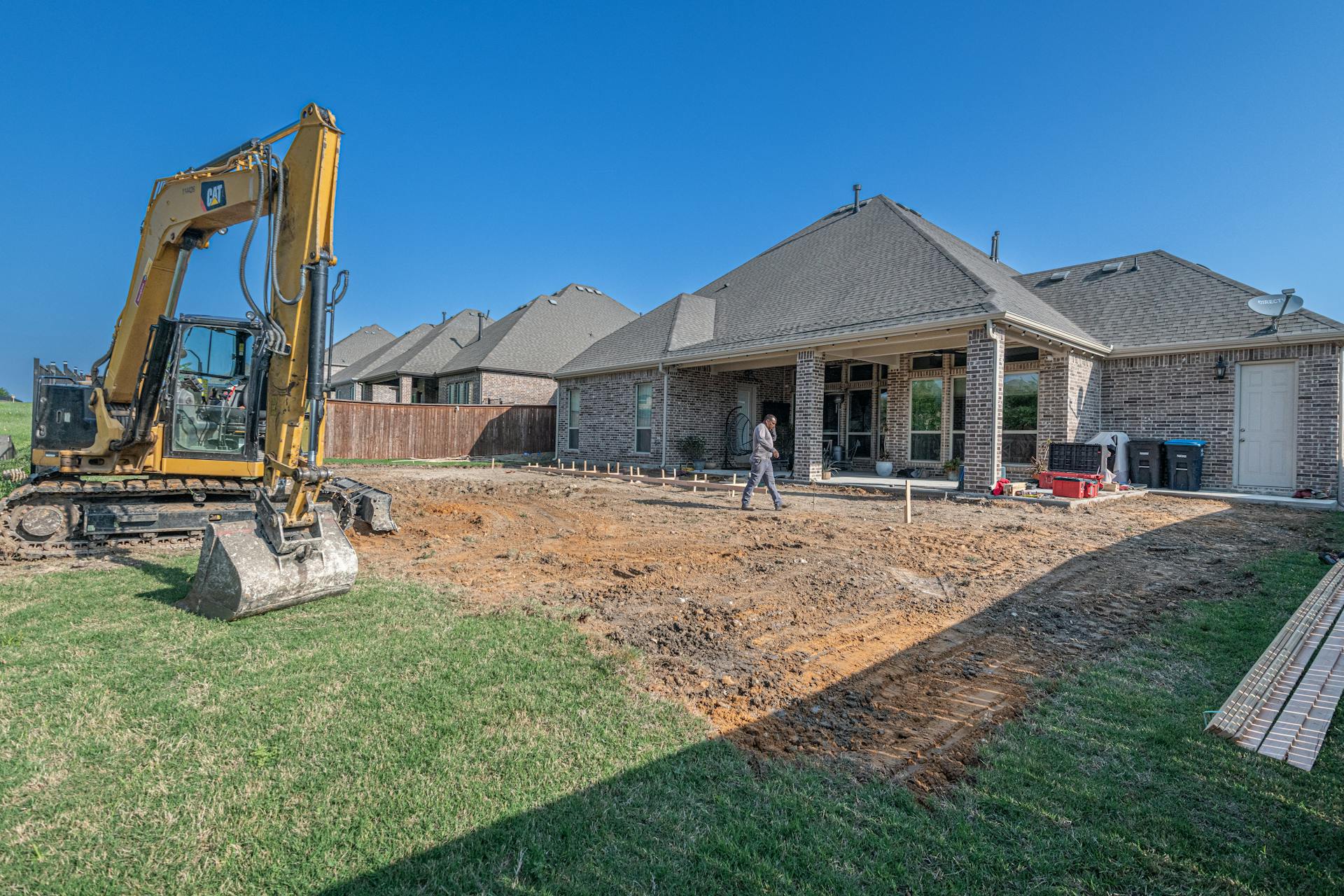
Debris removal is the step people underestimate. A stripped lawn produces a surprising volume of heavy, soil backed material, and it has to leave the site rather than being piled at the back fence, where it becomes a weed source aimed at the new lawn.
Everything else about preparing the ground follows from there, and we have covered that sequence separately rather than repeating it here. Our guide to getting a yard ready before sod goes down walks through grading, tilling and the final rake.
Sod cutter, herbicide or solarization: which and when?
A sod cutter lifts the turf in strips and is usually the quickest route, which is why it is the common choice on a job with a deadline. A nonselective herbicide kills the lawn in place and still leaves material to remove. Solarization is slow and seasonal.
The choice usually comes down to what is growing. A cutter is clean and immediate and suits most residential lawns. Where the existing grass spreads aggressively by runners, killing it first matters more, because a cutter can leave fragments that regrow through the new lawn and undo the job from below.
Solarization means sealing clear plastic over damp ground and letting summer heat do the work over several weeks. It costs little and uses no chemicals, and it needs the hottest part of the year plus patience most projects do not have. It is a genuine option for a small area planned well in advance.
How does grade correction fit into removal?
Removal is the easiest moment to change the grade, because the surface is already open. Low spots that pond after a storm, a slope running toward the house, and years of settling are all cheaper to correct now than after new sod is down.
This is the argument for treating removal as part of a single piece of work rather than a chore to rush through. Once new sod is laid, fixing a low spot means lifting that sod again, so a problem left in place is usually left for years. Soil correction and resodding exists because the two jobs belong together.
Where the whole lawn is going anyway, it is worth pricing the work as one project. Replacing the lawn in full covers removal, correction and new sod as one job, and our installation service handles the laying itself.
Frequently Asked Questions
Can you lay sod over dead grass?
Not directly. Dead grass is still a physical layer between new roots and soil, and it decomposes underneath the new sod. It has to be scalped, dethatched and raked clear, or lifted with a cutter, before sod goes down.
What happens if I lay sod over my existing lawn anyway?
It usually roots poorly or not at all, dries out, and dies. You are then lifting two layers instead of one and buying sod twice, on ground in worse condition than when you started.
Do I have to remove the grass or can I just till it in?
Tilling living turf in chops it into fragments, and grasses that spread by runners regrow from those fragments straight through the new lawn. Killing it first, or lifting it, avoids that.
How long after spraying a lawn can I lay sod?
Follow the interval printed on the product label, which varies by chemical, and confirm the old grass is genuinely dead before anything goes down. The dead material still needs removing afterwards.
Is a sod cutter worth renting for a small yard?
Often yes. A cutter takes a small lawn down quickly and leaves a consistent depth, which hand stripping rarely matches. The main constraints are transport, weight, and getting it through a side gate.
Will laying new sod on top fix a bumpy lawn?
No, it copies the bumps. Sod follows the contours under it, so a lawn that needs leveling should be corrected at the soil surface before the new sod is laid.
Get the ground looked at before you order sod
Whether the old lawn needs cutting, killing or both depends on what is growing and how the ground drains, and that is a ten minute question to answer on site rather than a guess to make from a pallet count. Call (504) 608-3321, or tell us what is currently growing and how the yard drains and we will tell you what removal will involve.
